
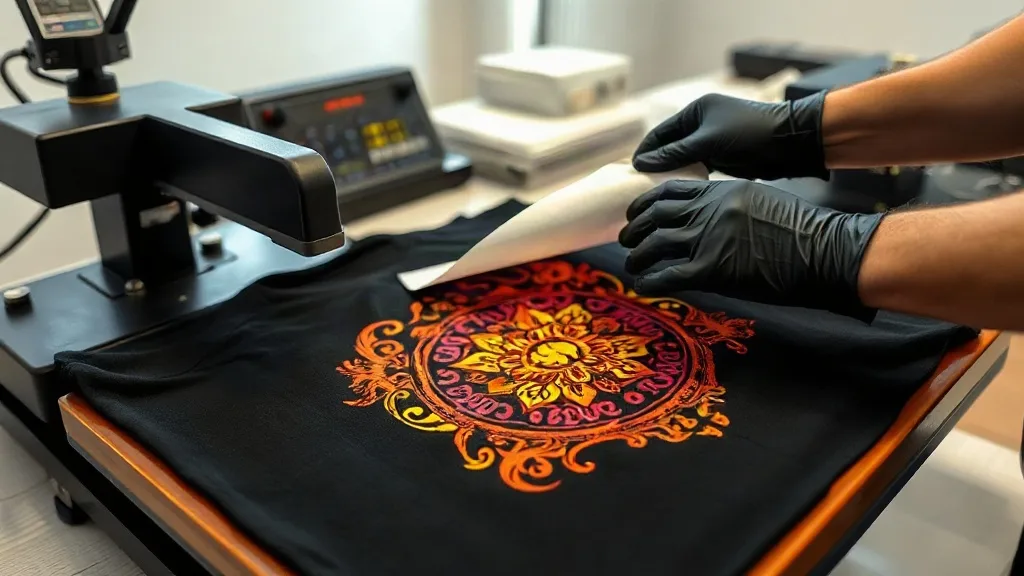
Imagine pressing a button and watching a full-color design materialize on a t-shirt in minutes, no messy screens or harmful chemicals required. That is the magic of dtf printing, a technology that has taken the custom apparel world by storm. Whether you are a small business owner, a crafting enthusiast, or a professional printer, understanding dtf transfers can open up a world of creative possibilities. In this guide, we will walk you through everything you need to know about DTF transfers, from the basics to pro tips, so you can achieve stunning, long-lasting results.
What Are DTF Transfers?
DTF stands for Direct to Film. It is a printing method where your design is printed onto a special film, coated with a powder adhesive, and then heat-pressed onto fabric. Unlike DTG (Direct to Garment) or screen printing, DTF transfers work on almost any fabric, including cotton, polyester, blends, and even nylon. The process is straightforward: print, powder, cure, and press. The result is a soft, stretchable print that withstands washing and wear.
The DTF Printing Process Step by Step
To appreciate DTF transfers, it helps to understand how they are made. Here is a breakdown of the steps:
- Design Preparation: Your artwork is prepared in a graphics program and printed in reverse onto a PET film using specialized DTF inks.
- Powder Application: While the ink is still wet, a thermoplastic powder (hot melt adhesive) is sprinkled over the film. The excess powder is shaken off.
- Curing: The film goes through a curing oven or heat press to melt the powder, creating a adhesive layer that will bond to the fabric.
- Transfer: The film is placed on the garment and heat-pressed. The adhesive melts, embedding the ink into the fabric fibers.
- Peel: After pressing, the film is peeled away (hot or cold peel depending on the film), leaving the vibrant design behind.
Each step is critical for a durable, high-quality transfer. Skipping or rushing any stage can lead to fading, cracking, or poor adhesion.
Why Choose DTF Transfers Over Other Methods?
DTF transfers offer several advantages that make them a favorite among apparel decorators. Let's explore the key benefits.
Unmatched Versatility
One of the biggest draws of DTF is its ability to print on a wide range of materials. You are not limited to 100% cotton like with DTG. Polyester, cotton-poly blends, spandex, leather, and even wood can be decorated with DTF transfers. This flexibility means you can offer more products to your customers without investing in multiple printing technologies.
Vibrant Colors and Fine Details
DTF transfers produce incredibly bright, opaque colors. The white ink layer is printed underneath the color inks, so your design pops even on dark garments. Fine lines, gradients, and photographic images reproduce beautifully. Unlike vinyl, there is no weeding or layering required, so complex designs are easy to achieve.
Durability and Stretchability
When applied correctly, DTF transfers are highly durable. They resist cracking, peeling, and fading even after repeated washing. The prints also stretch with the fabric, making them ideal for athletic wear and stretchy materials. This durability ensures your custom apparel looks great for years.
Cost-Effective for Small and Large Runs
DTF transfers are cost-effective for both short and long runs. There are no minimums, so you can print one-off designs without setup fees. For larger orders, the per-unit cost remains low because you can gang multiple designs on a single film. This scalability makes DTF accessible to hobbyists and commercial printers alike.
Getting Started with DTF Transfers
Ready to dive into DTF printing? Here is what you need to know to get started on the right foot.
Essential Equipment
To produce DTF transfers, you will need:
- DTF Printer: A specialized printer that uses DTF inks and can print on PET film. Converted Epson printers are popular for entry-level setups.
- DTF Ink: High-quality pigment inks designed for DTF. Using the wrong ink can clog your printer and ruin transfers.
- PET Film: Available in cold-peel and hot-peel varieties. Cold-peel films are more forgiving for beginners.
- Adhesive Powder: Thermoplastic powder that bonds the ink to the fabric. Fine powder works best for detailed designs.
- Curing Oven or Heat Press: To melt the powder. A heat press can double as a curing station with a modified setup.
- Heat Press: For transferring the design to the garment. A reliable heat press with consistent temperature and pressure is crucial.
Choosing the Right Supplies
Not all DTF supplies are created equal. Invest in quality inks, films, and powders from reputable suppliers. Cheap supplies often lead to clogged printheads, poor adhesion, and frustrated customers. For example, a high-quality cold-peel film will release cleanly and leave a soft hand feel, while a low-grade film might tear or leave residue.
Mastering the Heat Press
The heat press is your most important tool. Each film and powder combination has specific temperature, pressure, and time settings. Typically, you will press at 300-320°F (150-160°C) for 10-15 seconds with medium pressure. Always do a test press to dial in the settings for your specific setup. Too little heat and the design will peel; too much and it will scorch or become rigid.
Common Challenges and How to Overcome Them
Even experienced printers run into issues. Here are some common problems and their solutions.
Adhesion Problems
If your transfer peels off after washing, it is likely due to insufficient pressure, incorrect temperature, or not enough powder. Ensure your heat press applies even pressure across the entire design. Also, check that the powder is fully cured before pressing. A simple fix is to increase pressure and ensure the powder is melted completely.
Clogged Printheads
DTF inks contain pigments that can settle, leading to clogged nozzles. Regular maintenance is key: print a nozzle check daily, clean the printhead, and use a humidifier to keep the environment from drying out the ink. If a clog occurs, use a cleaning solution and avoid harsh chemicals that can damage the printhead.
Color Accuracy
Colors can look different on screen versus on fabric. To ensure accuracy, create ICC profiles for your printer and ink set. Calibrate your monitor regularly. Also, remember that the white ink layer affects color vibrancy; you may need to adjust your design for the best result.
DTF Transfers vs. Other Printing Methods
How does DTF stack up against DTG, screen printing, and vinyl? Let's compare.
DTF vs. DTG
DTG prints directly onto the garment, which limits it to cotton fabrics. DTF works on almost any fabric and produces more vibrant colors on dark shirts. However, DTF requires more steps and equipment. For small runs on cotton, DTG might be simpler; for versatility, DTF wins.
DTF vs. Screen Printing
Screen printing is cost-effective for large orders of simple designs, but it requires setup and cannot handle complex gradients easily. DTF excels at detailed, multi-color designs without setup fees. For small to medium runs with intricate artwork, DTF is often more practical.
DTF vs. Vinyl
Vinyl is great for simple text and shapes, but it cannot reproduce photographic images. DTF transfers can print full-color designs with fine details, and they are more durable and stretchable. Vinyl also requires weeding, which is time-consuming for complex designs.
Applications of DTF Transfers
DTF transfers are used in a variety of industries and personal projects. Here are some popular applications.
- Custom T-shirts: Perfect for bands, sports teams, and events.
- Activewear: The stretchability makes DTF ideal for leggings, jerseys, and yoga pants.
- Corporate Uniforms: Add logos to polos and workwear with ease.
- Personalized Gifts: Create unique items like tote bags, aprons, and pillowcases.
- Fashion Brands: Small labels use DTF for limited-edition drops.
The possibilities are endless. If you can heat-press it, you can probably DTF it.
Tips for Flawless DTF Transfers
To ensure your DTF transfers come out perfect every time, follow these expert tips.
- Pre-press your garment: Remove moisture and wrinkles before transferring. This improves adhesion.
- Use a lint roller: Any lint or dust on the fabric can cause the transfer to lift.
- Check your pressure: Consistent pressure is crucial. Use a heat press with a pressure gauge.
- Peel correctly: Follow the film instructions for hot peel or cold peel. Peeling at the wrong temperature can ruin the design.
- Post-press for durability: After peeling, press again for a few seconds with a protective sheet to enhance washability.
These small steps can make a big difference in the longevity and appearance of your prints.
Frequently Asked Questions About DTF Transfers
How long do DTF transfers last?
With proper application and care, DTF transfers can last 50 washes or more. They resist cracking and fading when washed inside out in cold water and tumble dried on low. Avoid ironing directly on the print.
Can I use DTF transfers on dark colors?
Absolutely. DTF transfers include a white ink base that makes colors pop on dark fabrics. This is one of the main advantages over DTG, which may require a white underbase for dark shirts.
Do I need a special printer for DTF?
Yes, you need a DTF printer that uses DTF inks and can handle PET film. Many people convert Epson printers for DTF use, but dedicated DTF printers are also available. The key is to use DTF-compatible inks and films.
What fabrics work best with DTF transfers?
DTF works on almost any fabric, including cotton, polyester, blends, nylon, and leather. It is especially good for polyesters and blends that are difficult for DTG. For best results, pre-treat fabrics with a adhesion promoter if recommended.
Is DTF printing cost-effective for small businesses?
Yes, DTF is very cost-effective for small businesses because there are no minimum order requirements and the supplies are relatively inexpensive. You can print one-off designs without wasting material, making it ideal for custom orders.
DTF transfers have truly transformed the custom apparel industry, offering unparalleled versatility, vibrant colors, and durability. Whether you are just starting out or looking to expand your printing capabilities, mastering DTF can set you apart. With the right equipment, supplies, and techniques, you can create stunning apparel that delights customers and stands the test of time. So why wait? Dive into the world of DTF transfers and unleash your creativity.