
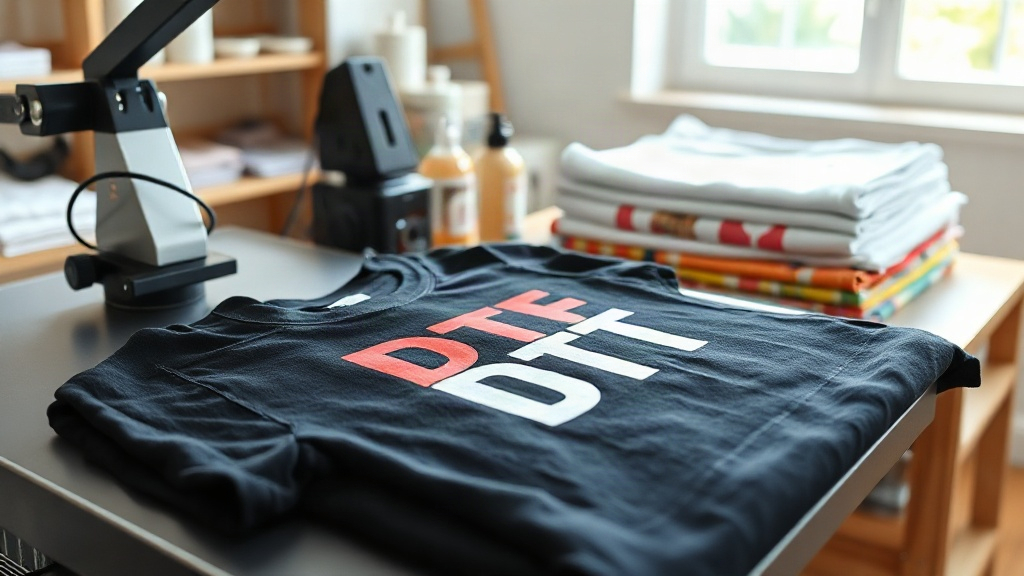
If you're in the custom apparel business, you've likely heard about DTF transfers. They've revolutionized how we print on garments, offering full-color, high-detail designs without the hassle of screens or messy inks. But to get the best results, you need to pair the right transfer with the right blank. That's where Shaka Wear and Smart Blanks come in. In this guide, I'll walk you through everything you need to know to achieve professional, durable prints on these popular blanks using DTF technology.
Why DTF Transfers Are a Game-Changer for Custom Apparel
DTF, or Direct to Film, is a printing method where your design is printed onto a special film, coated with adhesive powder, and then heat-pressed onto a garment. Unlike DTG or screen printing, DTF works on almost any fabric, including cotton, polyester, blends, and even nylon. The prints are vibrant, stretchy, and incredibly durable when done correctly.
What makes DTF so appealing? For starters, there's no need for color separation or screens, so short runs and one-offs are cost-effective. The detail is outstanding: gradients, fine lines, and photographic images come out crisp. Plus, DTF transfers have a soft hand feel that customers love.
Choosing the Right Blanks: Shaka Wear and Smart Blanks
Not all blanks are created equal. The garment you choose affects how the DTF transfer adheres, feels, and lasts. Shaka Wear and Smart Blanks are two brands that have gained popularity among printers for their quality and consistency.
Shaka Wear: Streetwear Vibes with a Perfect Canvas
Shaka Wear is known for its heavyweight, boxy tees that cater to the streetwear and urban fashion scene. Their garments are typically 100% cotton or cotton/poly blends, with a tight knit that provides a smooth surface for DTF transfers. The fabric's density means less ink absorption, so colors stay bright. However, the heavier weight can require slightly longer pressing times to ensure the adhesive fully cures.
Smart Blanks: Affordable and Versatile
Smart Blanks offers a wide range of apparel, from tees to hoodies, at competitive prices. Their fabrics are often softer and lighter than Shaka Wear, which can make them more comfortable for everyday wear. But that softness can also mean the fabric is more prone to stretching during pressing. With the right technique, though, Smart Blanks can yield excellent results with DTF transfers.
Preparing Your Garment for DTF Application
Before you even think about pressing, prep is key. A poorly prepped garment leads to poor adhesion, cracking, or premature fading.
- Pre-press the garment: This removes moisture and wrinkles. Set your heat press to 300°F (150°C) and press for 5-10 seconds. For Shaka Wear, you might need a few extra seconds due to the fabric weight.
- Check for fabric softeners: Some manufacturers apply softeners that can interfere with adhesion. If you suspect this, wash the garment once before printing.
- Lint roll: Any lint or dust will show up under the transfer. Give it a quick once-over with a lint roller.
Step-by-Step DTF Pressing on Shaka Wear and Smart Blanks
Now, let's get into the pressing process. The settings below are starting points; you may need to adjust based on your specific press and environment.
1. Set Your Heat Press
For DTF, you'll typically use a temperature between 300°F and 325°F (150°C-160°C). Pressure should be medium to firm. Too little pressure and the transfer won't adhere; too much and the adhesive can spread, causing a halo effect.
2. Position the Transfer
Place the DTF transfer on the garment with the printed side up. If your transfer has a carrier film, make sure it's on top. Use heat tape if needed to keep it in place.
3. Press
Press for 10-15 seconds for standard fabrics. For Shaka Wear's heavier cotton, extend to 15-20 seconds. For Smart Blanks, stick to 10-12 seconds to avoid over-pressing. Remember, these are guidelines; always test with your equipment.
4. Peel
DTF transfers can be peeled hot or cold. Most modern films are cold peel, meaning you wait until the transfer cools down before removing the carrier film. This gives the adhesive time to set. Check your transfer's instructions.
5. Post-Press (Optional)
Some printers do a second press with a Teflon sheet for a few seconds to smooth out the print and ensure full adhesion. This can also improve wash durability.
Troubleshooting Common DTF Issues on These Blanks
Even with the best intentions, things can go wrong. Here's how to fix common problems:
- Print peeling after wash: Usually due to insufficient pressure or time. Increase pressure and add a few seconds. For Shaka Wear, ensure you're pressing long enough to penetrate the fabric's texture.
- Cracking: Often caused by over-stretching the garment during pressing or using too high a temperature. Lower the temp slightly and avoid stretching.
- Dull colors: Could be from under-pressing (adhesive not fully cured) or the garment's dye bleeding. Pre-wash dark garments or use a barrier sheet.
- Transfer not sticking: Check if the garment was pre-pressed adequately. Moisture is a common culprit.
Care Instructions for Long-Lasting Prints
To keep your DTF prints looking fresh, advise your customers to:
- Wash inside out in cold water.
- Avoid bleach and fabric softeners.
- Tumble dry low or hang dry.
- Do not iron directly on the print.
Frequently Asked Questions
Can I use DTF transfers on 100% polyester Shaka Wear shirts?
Yes, DTF works great on polyester. However, polyester requires lower pressing temperatures (around 280°F-300°F) to avoid scorching or dye migration. Always test first.
What's the best pressure setting for Smart Blanks hoodies?
Medium pressure is usually sufficient. Too much pressure can flatten the fabric's texture and cause the transfer to look shiny. Start with medium and adjust if needed.
How do I prevent the DTF transfer from feeling stiff on Shaka Wear's heavyweight tees?
Use a quality DTF transfer with a thin adhesive layer. Also, avoid over-pressing, which can make the print feel rubbery. A post-press with a Teflon sheet can help soften it.
Do I need to pre-treat Smart Blanks garments before DTF printing?
Generally, no. But if the garment has a stain-resistant finish, pre-washing is recommended to remove any coatings that might hinder adhesion.
How long should I wait before washing a DTF-printed shirt?
Wait at least 24 hours after pressing to allow the adhesive to fully cure. Then, follow the care instructions for best results.
Final Thoughts
DTF transfers open up a world of possibilities for custom apparel, and when paired with reliable blanks like Shaka Wear and Smart Blanks, you can deliver products that impress. Remember, the key is in the prep, precise pressing, and proper care. With a bit of practice, you'll be producing vibrant, durable prints that your customers will love. So go ahead, experiment, and elevate your printing game with DTF.