
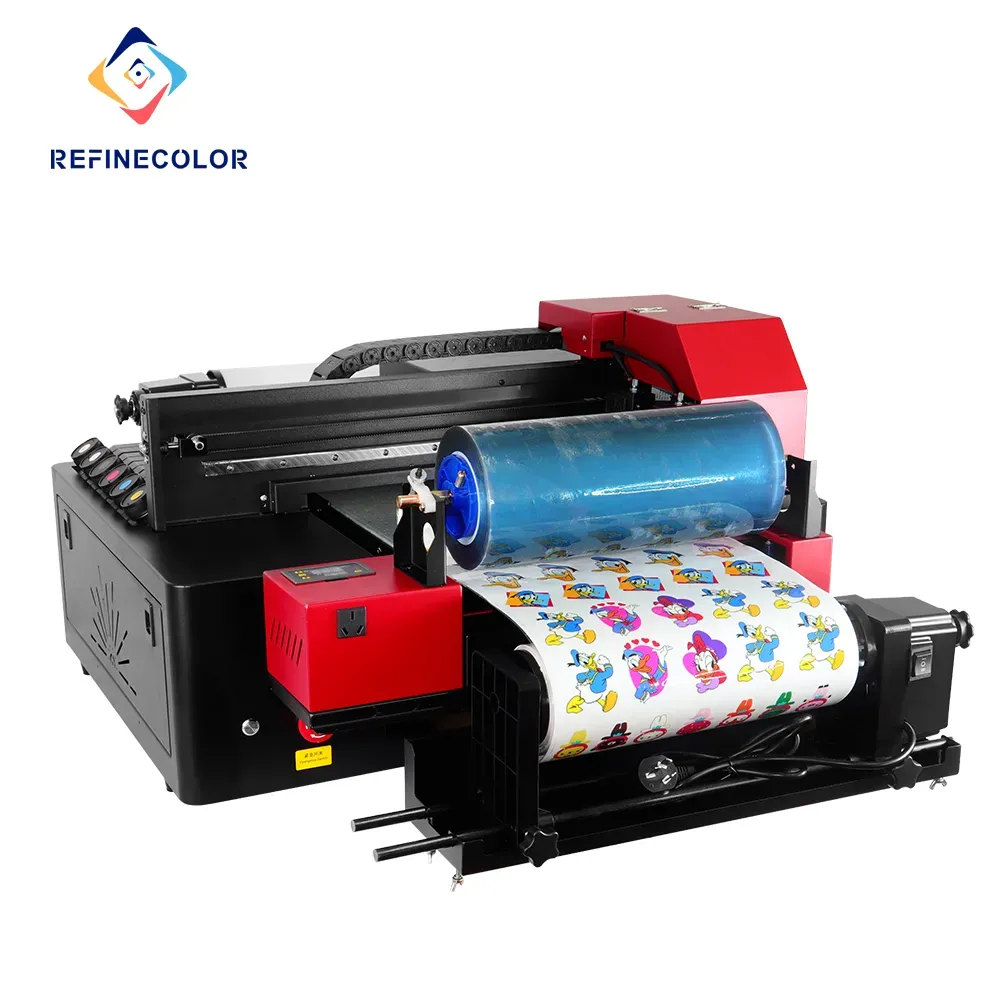
UV DTF (Direct to Film) printing technology is revolutionizing the textile printing industry with its innovative approach and striking results. As the demand for high-quality, customizable designs increases, UV DTF stands out by offering vibrant colors and exceptional detail. This cutting-edge textile printing technology utilizes ultraviolet light to cure ink onto specially coated films, allowing for a swift and efficient transfer onto diverse fabric types. Not only does it cater to the aesthetics of modern consumers, but it also aligns with sustainable textile practices, making it an eco-friendlier choice among printing methods. In this blog post, we will delve into the growth of UV DTF, exploring its advantages, technological innovations, and its impact on sustainable practices within the textile realm.
Often referred to as UV direct-to-film technology, this pioneering method is reshaping how businesses approach textile printing. By integrating direct-to-film technology, manufacturers are realizing the potential for vibrant, high-resolution prints on a broad spectrum of materials, from cotton to polyester. This evolution in printing not only enhances product offerings but also reinforces the industry's commitment to sustainable textile practices. The surge of interest in textile printing innovations, coupled with the efficiencies introduced by UV DTF, highlights a significant trend toward more adaptable and eco-conscious production methods. As we explore the intricacies of this technology, it becomes evident that UV DTF is setting a new standard for excellence in the textile printing landscape.
Understanding UV DTF Printing Technology
UV Direct to Film (DTF) printing technology represents a remarkable shift in the textile printing landscape. At its core, this innovative method involves printing designs directly onto a film, which is later transferred onto various fabric types using ultraviolet light for curing. This process not only speeds up production timelines but also delivers intense colors and intricate details that appeal to both consumers and businesses. Unlike traditional printing techniques, UV DTF makes it possible to achieve bold and precise graphics on materials ranging from cotton to polyester, thereby enhancing the creative possibilities for designers.
Moreover, the UV DTF process is advancing the quality of textile outputs, setting new benchmarks in the industry. The use of UV light not only ensures that the inks adhere well to the substrate, but also allows for intricate patterns and vivid color replication that traditional methods struggle to achieve. As a result, brands are increasingly turning to UV DTF for their printing needs, seeking to create high-value products that attract consumers in a competitive market.
The Growing Demand for UV DTF Innovations
The textile printing industry is currently experiencing a significant surge in demand for UV DTF technology, driven by the need for innovative and customizable solutions. As businesses aim to meet the increasing expectations of consumers for high-quality, personalized items, UV DTF provides an effective answer. Its ability to produce small-batch runs with unique designs allows manufacturers to adapt quickly to market trends and customer preferences, thus fostering a dynamic and responsive production environment.
Faced with a competitive landscape, many companies recognize that adopting UV DTF technology can streamline their operations and set them apart from traditional printing methods. The versatility and efficiency of UV DTF not only meet the current demands but also position businesses for future growth in the versatile textile market. With numerous manufacturers entering the UV DTF space, this transformation signals a shift toward innovative practices that enhance not just printing quality but overall business performance.
Sustainability Benefits of UV DTF in Textile Printing
Sustainability has become a non-negotiable aspect of modern textile manufacturing, and UV DTF technology plays a pivotal role in this shift. One of the key advantages is its significantly lower water consumption compared to conventional dyeing methods. This benefit aligns with the urgent need to conserve water resources in an increasingly water-scarce world. As brands strive to present themselves as environmentally responsible, adopting UV DTF helps them reduce their ecological footprint while maintaining high standards of quality.
Additionally, the inks used in UV DTF printing are often formulated to be more environmentally friendly than traditional inks, containing fewer harmful chemicals and VOCs (volatile organic compounds). This shift towards eco-friendly inks not only ensures a safer workplace but also contributes to the overall sustainability goals of the textile industry. Through these advancements, UV DTF technology supports a broader movement towards sustainable textile practices, enabling brands to address consumer demand for green apparel options.
Technological Innovations in UV DTF Printing
The development of newer UV DTF printing technologies is transforming the face of textile production. Innovations in printer design and ink formulation allow for sharper image details and superior color fidelity, elevating the standard for printed textiles. Cutting-edge models are now equipped with state-of-the-art software that facilitates precise color management, essential for brands that require accurate color reproduction across product lines. This technological leap ensures that businesses can deliver highly detailed and consistent prints that resonate with the aesthetic demands of modern consumers.
Moreover, the user-friendly features of recent UV DTF printers enable more companies, especially smaller businesses, to leverage these advancements. The easier operation minimizes the learning curve traditionally associated with adopting new printing technologies, making it accessible to a wider audience. As more businesses integrate these innovations into their workflow, the potential for increased productivity and quality in textile printing rises dramatically, reinforcing the role of UV DTF technology in revolutionizing the industry.
Challenges Faced by Businesses in Adopting UV DTF
While the benefits of UV DTF technology are extensive, businesses often encounter specific challenges in its adoption. One major hurdle is the initial investment required to purchase high-quality UV DTF printers and inks, which can be daunting for smaller companies with limited resources. Despite these upfront costs, forward-thinking businesses recognize the long-term savings and efficiency gains that UV DTF printing can offer, particularly through reduced waste and enhanced production capabilities.
Additionally, transitioning from traditional textile printing methods to UV DTF involves a significant learning curve. Staff training and operational adjustments are necessary to fully utilize the capabilities of these advanced printers. Companies may need to invest in skill development to ensure that their teams are well-equipped to harness the technology effectively. By addressing these challenges head-on, businesses can seamlessly integrate UV DTF into their production processes and remain competitive in the evolving textile industry.
The Future of Textile Printing with UV DTF Technology
The future of textile printing is poised for a radical transformation, underpinned by the adoption of UV DTF technology. As businesses continue to innovate and adapt to changing consumer preferences, the need for high-quality, customizable textiles will only grow. The flexibility and efficiency of UV DTF position it as a central player in this future, enabling companies to maintain a competitive edge while producing vibrant and durable prints.
In the coming years, we can anticipate further advancements in UV DTF technology that will address current challenges while amplifying its advantages. Continuous improvements in ink formulation and printing methods will likely enhance sustainability efforts, allowing the textile industry to meet both consumer demand and environmental responsibilities. As UV DTF becomes more entrenched in the fabric of textile manufacturing, it will redefine production methodologies and inspire a wave of innovation in textile printing.
Frequently Asked Questions
What is UV DTF printing and how does it work?
UV DTF printing, or UV Direct to Film technology, involves printing designs onto a film substrate, which is then transferred to fabric using ultraviolet light to cure the inks. This process guarantees vibrant colors and high detail, making it ideal for custom designs in textile printing.
What are the key advantages of using UV DTF in textile printing?
The advantages of UV DTF printing include versatility in printing on various fabric types, instant curing for quick handling, and reduced waste due to efficient ink use. These aspects make it a compelling choice for businesses looking to enhance productivity and sustainability.
How does UV DTF technology contribute to sustainable textile practices?
UV DTF technology supports sustainable textile practices by using significantly less water compared to traditional dye methods and employing eco-friendly inks. This reduces environmental impact while maintaining high-quality outputs in textile printing.
What innovations are driving the growth of UV DTF technology?
Innovations in UV DTF technology include advanced printers that offer improved ink adhesion and color management, enabling finer detail and enhanced quality. User-friendly features are also being developed to lower the learning curve for businesses adopting this technology.
How does UV DTF compare to traditional printing methods like dye-sublimation?
Unlike dye-sublimation, UV DTF can print on a wider variety of materials, including cotton and polyester, which enhances its market appeal. Additionally, the instant curing process of UV DTF allows for faster production times compared to traditional printing methods.
What challenges do businesses face when adopting UV DTF printing technology?
Businesses may encounter initial investment costs for UV DTF printers and inks, which can be significant. Additionally, there is a learning curve associated with transitioning from traditional textile printing methods, necessitating investment in training to maximize the technology's potential.
| Key Point | Description |
|---|---|
| What is UV DTF? | UV Direct to Film (DTF) printing technology transfers designs onto fabric using UV light, ensuring vibrant colors and quick processing time. |
| Growth and Adoption | The UV DTF market is expanding rapidly, with manufacturers investing in technology to meet the demand for custom designs and short runs. |
| Advantages of UV DTF | Provides versatility, instant curing, and reduced waste compared to traditional printing methods, appealing to various market needs. |
| Technological Innovations | New UV DTF printers enhance print quality, color management, and ease of use, encouraging wider adoption even among smaller businesses. |
| Sustainability Factors | Less water usage and eco-friendly inks contribute to a more sustainable textile printing process, aligning with industry goals. |
| Challenges | Initial costs and a learning curve for transitioning companies can hinder adoption despite long-term benefits. |
Summary
UV DTF technology is revolutionizing the textile printing industry by providing high-quality, customizable prints with extraordinary versatility and efficiency. As more businesses recognize its potential, UV DTF is shaping the future of textile production. The ability to print on various materials while maintaining eco-friendly practices positions UV DTF as a desirable choice for companies striving for sustainability. While challenges such as initial investment and a learning curve exist, the long-term advantages suggest that UV DTF will continue to thrive and redefine production methods within the industry.