
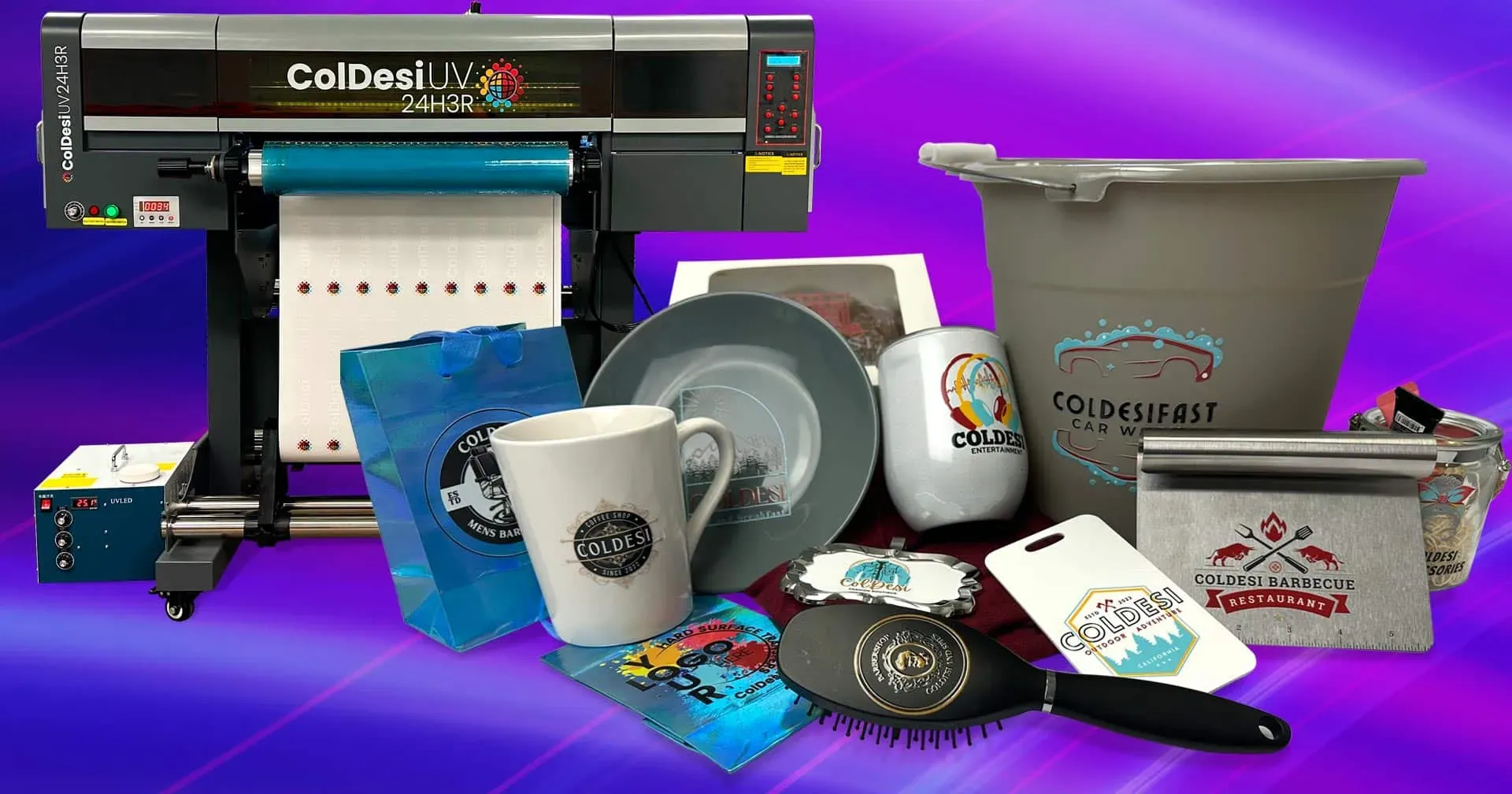
In the realm of modern printing, **UV DTF printing** stands out as a revolutionary technique that seamlessly integrates the brilliance of ultraviolet technology with the efficiency of direct-to-film processes. This innovative method doesn't just deliver stunning visuals; it sets a new standard for durability in prints, making it a favorite among businesses seeking custom printing solutions. With the demand for sustainable printing practices on the rise, UV DTF printing addresses these needs by minimizing waste and utilizing eco-friendly inks. Additionally, as printing technology innovations continue to emerge, this method promises not just enhanced quality but also a quicker turnaround for projects of all sizes. As we delve deeper into the world of UV DTF printing, it's clear that this technique offers a pathway to both creativity and sustainability in today's competitive market.
Often referred to as ultraviolet direct-to-film printing, this cutting-edge technique showcases the synthesis of UV curing and direct-to-film applications, redefining the possibilities in the printing industry. This advanced printing method produces long-lasting, vibrant designs that can be applied to a multitude of surfaces, from fabrics to plastic and metal. As businesses increasingly prioritize eco-conscious choices, this method of printing aligns well with sustainable printing goals, ensuring minimal environmental impact through efficient processes. Furthermore, the versatility of this technology allows for extensive customization, catering to various market demands and creative aspirations. With the continuous evolution of printing technology, this approach is not only a practical choice but also a forward-thinking solution for those looking to innovate.
The Mechanics of UV DTF Printing
At its core, UV DTF printing is a revolutionary technology that harnesses ultraviolet light to cure specialized inks on a transfer film. This film is then applied to various substrates, including fabric, plastic, and metal. The uniqueness of UV DTF printing lies in its ability to create vibrant and sharp images while ensuring that the prints endure through time and usage. By utilizing UV light, the curing process is quick, which translates to shorter production times and immediate results, making it ideal for businesses looking to meet tight deadlines.
Moreover, the printing process not only yields eye-catching designs but also offers exceptional resilience against the elements. The inks are formulated to resist fading, scratching, and even moisture, making them suitable for a diverse range of applications. From apparel to promotional items and industrial uses, UV DTF printing stands out in today’s competitive printing landscape due to its ability to produce durable prints that demand attention.
Sustainable Aspects of UV DTF Printing
Sustainability is increasingly becoming a priority in the printing industry, and UV DTF printing is no exception. Many manufacturers are making significant strides towards eco-friendly practices by developing inks and films that minimize environmental impact. For instance, advancements in sustainable printing technology have resulted in the use of biodegradable inks and recyclable films, which not only comply with strict environmental regulations but also cater to the growing consumer demand for eco-conscious products.
Furthermore, UV DTF printing contributes to reduced waste during the printing process. Unlike traditional methods that may require extensive materials and produce significant leftovers, UV DTF technology streamlines ink usage to ensure that every print counts. This environmentally friendly approach not only benefits the planet but also enhances business operations by reducing costs associated with excess materials.
Innovations Fueling the Future of UV DTF Printing
The realm of printing technology is ever-evolving, and innovations within UV DTF printing are at the forefront of this transformation. Recent advancements include faster printing speeds and improved ink formulations that enable printers to produce intricate designs with greater ease. For businesses, this means higher efficiency and the capability to tackle larger volumes without sacrificing quality.
Additionally, manufacturers are continually enhancing the capabilities of UV DTF printers to accommodate thicker materials and deliver more detailed outputs. Such innovations not only boost productivity but also expand the creative possibilities for designers. As the industry progresses, it is clear that UV DTF printing will lead the way in providing cutting-edge solutions for custom applications and design needs.
Market Trends and Growth in UV DTF Printing
In recent years, the global market for UV printing, specifically UV DTF printing, has witnessed remarkable growth. Driven by the demand for highly customizable and short-run printing solutions, industry analysts project the market to exceed $30 billion by 2027. This surge in popularity is attributable to the technology's impressive capabilities and its ability to meet the diverse needs of customers across various sectors.
Businesses are increasingly recognizing the benefits of UV DTF printing, including its adaptability across different materials and its speed compared to traditional methods. This demand for efficient, high-quality custom printing solutions is shaping the landscape of the printing industry, paving the way for a future where UV DTF technology plays a significant role in market evolution.
Comparing UV DTF Printing with Traditional Printing Methods
When evaluating UV DTF printing against traditional printing techniques, it becomes evident that it offers several distinct advantages. For starters, UV DTF printing significantly reduces setup times, enabling businesses to produce shorter runs without incurring high costs. This is particularly beneficial for custom orders and small businesses that may struggle with the overhead associated with traditional methods.
Furthermore, while standard printing methods often struggle with durability and color vibrancy, UV DTF printing excels in both areas. The cured ink creates a strong bond with the substrate, resulting in durable prints that can withstand harsh conditions, including UV light and moisture exposure. Consequently, businesses that adopt UV DTF technology are assured of producing high-quality products that meet customer expectations and industry standards.
The Versatility of UV DTF Printing Applications
One of the most striking features of UV DTF printing is its versatility in application. From t-shirts and accessories to signage and promotional materials, the technology allows for limitless creativity and product offerings. This adaptability not only satisfies diverse customer needs but also positions businesses to explore new markets and customer demographics with ease.
The ability to print on a wide range of substrates means that designers have the freedom to experiment with various materials, enhancing the ability to create unique and compelling designs. As demand for customization continues to rise, UV DTF printing stands as a robust option for companies looking to expand their product lines and stay ahead of the competition.
Frequently Asked Questions
What is UV DTF printing and how does it work?
UV DTF printing, or Ultra-Violet Direct-to-Film printing, utilizes ultraviolet light to cure inks on a film substrate. This process allows for vibrant, high-quality prints that can be transferred onto a variety of materials, such as textiles, plastics, and metals, resulting in durable prints that resist fading and wear.
How does UV DTF printing compare to traditional direct-to-film printing?
Unlike traditional direct-to-film printing, UV DTF printing leverages UV light for rapid ink curing, which enhances adhesion to various surfaces. This innovation makes UV DTF printing faster and more efficient, providing higher-quality outputs with vibrant colors, while also minimizing waste and setup times.
What are the advantages of UV DTF printing for custom printing solutions?
UV DTF printing offers several advantages for custom printing solutions, including faster turnaround times, the ability to print on diverse materials, and the production of durable prints. Moreover, it supports short-run jobs, making it ideal for businesses looking to offer unique, personalized products.
Is UV DTF printing a sustainable printing option?
Yes, UV DTF printing is considered a sustainable printing option. Many manufacturers are now developing eco-friendly inks and films that reduce environmental impact. The efficient use of inks also minimizes waste, aligning with the growing demand for sustainable printing practices.
What industries benefit the most from UV DTF printing technology innovations?
UV DTF printing technology innovations benefit several industries, including apparel manufacturing, promotional product printing, and industrial applications. Its versatility allows businesses in these sectors to deliver high-quality, customizable products efficiently, meeting diverse customer demands.
Can UV DTF printing produce prints suitable for outdoor use?
Absolutely! UV DTF printing produces durable prints that hold up well under sunlight and exposure to harsh weather conditions. The UV curing process ensures strong adhesion and resistance to fading, making these prints ideal for outdoor signs, banners, and promotional materials.
| Key Points | Details |
|---|---|
| Introduction to UV DTF Printing | UV DTF printing merges UV printing with direct-to-film technology, enhancing efficiency and quality in the printing landscape. |
| Process and Technology | Utilizes UV light to cure inks on film for various substrates, resulting in high durability and stunning visuals. |
| Market Growth | Projected to surpass $30 billion by 2027, showing a rising demand for customization and short-run printing solutions. |
| Advantages over Traditional Methods | Faster setup times, reduced waste, and versatility in material compatibility are key advantages. |
| Recent Innovations | Improvements in printer speed and ink formulations enhance efficiency and detail in prints. |
| Sustainability Efforts | Focus on eco-friendly inks and sustainable practices as consumer awareness towards environmental impact grows. |
| Durability and Quality | UV DTF prints are resistant to fading and scratching, ensuring longevity and high-quality results. |
| Cost-Effectiveness | Shorter runs become cost-effective, making this technology appealing for small businesses and custom designs. |
| Versatility in Application | Can produce items ranging from clothing to promotional materials, offering diverse business opportunities. |
| Future Outlook | With ongoing innovation, UV DTF printing is set to meet growing market demands for personalized products. |
Summary
UV DTF printing is revolutionizing the printing industry by offering innovative solutions that blend quality and efficiency with sustainability. As this technology continues to gain traction, it addresses the increasing demand for durable, high-quality prints on a variety of materials. The unique ability of UV DTF printing to create stunning visuals while minimizing waste and promoting eco-friendly practices positions it as a frontrunner in modern printing methodologies. This advancement not only enhances the final products businesses can offer but also aligns with the preferences of environmentally conscious consumers, making it a valuable asset in today's competitive marketplace.