
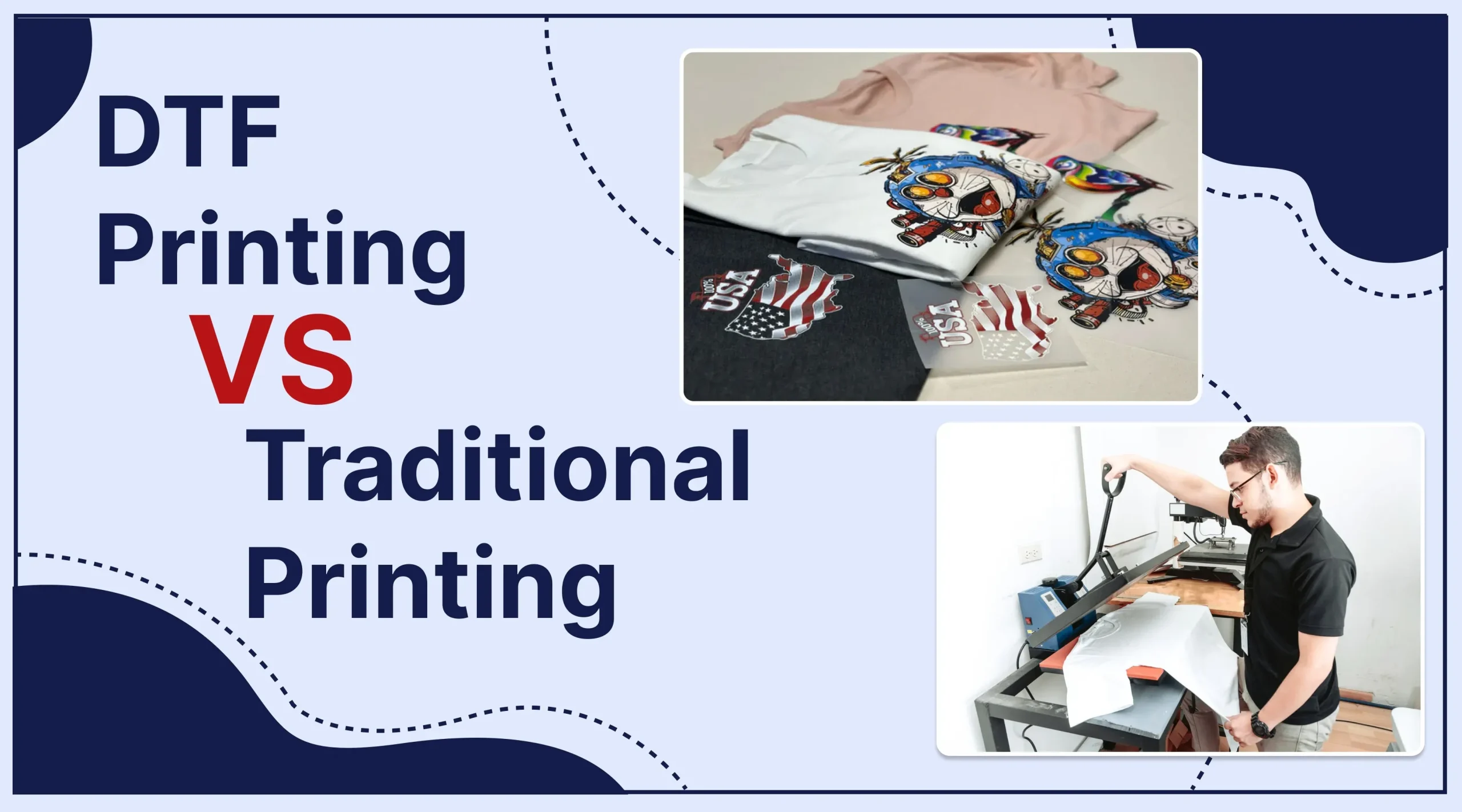
In the competitive realm of custom printing, the debate between DTF transfers vs traditional printing has sparked interest among designers and business owners alike. As the demand for personalized products continues to grow, choosing the right printing method becomes crucial for ensuring quality and satisfaction. DTF printing technology has emerged as a modern alternative, offering unique advantages such as vibrant colors and adaptability across various materials. However, traditional printing methods, particularly screen printing, boast their own set of benefits including proven durability and superior color fidelity. In this article, we will explore the distinct characteristics of DTF transfers and traditional methods, helping you determine which custom printing solution best suits your needs.
When it comes to customizing apparel and products, the debate between Direct-to-Film (DTF) transfers and classic printing techniques underscores the evolution of the printing industry. Both DTF and traditional printing methods serve significant roles in creating visually appealing and durable designs for various applications. While DTF provides the innovative edge of digital design versatility, established techniques like screen printing remain favored for their reliability and long-lasting results. Understanding these different approaches can help businesses navigate their choices in printing solutions, whether they lean towards the modern advancements of DTF or the time-tested practices of traditional printing.
Advantages of DTF Transfers in Custom Printing
DTF transfers offer numerous advantages that set them apart in the realm of custom printing. The versatility of this method is particularly striking, allowing it to be applied across a wide array of fabrics, such as cotton, polyester, and various blends. This makes DTF ideal for diverse applications, whether you're producing apparel, promotional materials, or even unique home decor items. Additionally, the cost-effectiveness of DTF provides a way for small business owners to create quality printed items without the investment typically associated with traditional screen printing setups.
The quality of DTF prints is another significant benefit. When executed correctly, DTF printing can produce designs characterized by vibrant colors and intricate details, which remain durable and visually appealing even after multiple washes. Users of DTF technology have reported satisfaction with the appearance and longevity of their projects, making it a prime choice for anyone looking to deliver high-caliber, customized solutions on demand.
Disadvantages of DTF Transfers: What You Should Know
While DTF transfers undoubtedly have their merits, it's essential to address some of the disadvantages associated with this printing method. One common concern among users is the durability of DTF prints. Although they can yield excellent results, reports have indicated that some prints may experience issues with cracking or fading with time, particularly if not handled properly. This unpredictability might deter businesses focused on producing items that require enduring quality.
Moreover, the color matching capabilities of DTF might not always meet expectations, especially when compared to traditional methods like direct-to-garment (DTG) printing. Certain shades and nuances on lighter fabrics may be challenging to achieve accurately, which could impact the overall perception of your brand's quality. Understanding these limitations is key to making informed decisions when selecting your printing approach.
Traditional Printing: The Reliability of Conventional Methods
Traditional printing methods, especially screen printing, have been the cornerstone of the printing industry for many years. One of the primary reasons for this enduring popularity is the durability of prints produced using traditional techniques. Screen printing, for instance, is known for producing bold, vibrant colors that not only stand out but also withstand the test of time, making it an ideal choice for bulk orders such as team uniforms or corporate promotional apparel.
Another advantage of traditional printing is its efficiency for large-volume projects. By spreading out the initial setup costs across a greater number of units, traditional methods can significantly reduce the per-item cost. This economic incentive encourages businesses to opt for screen printing when they anticipate high demand, enabling them to provide competitive pricing while maintaining high-quality output.
Navigating the Drawbacks of Traditional Printing
Even the most established printing methods are not without their challenges. One significant drawback of traditional printing, particularly screen printing, is the requirement for extensive upfront investments. Setting up screens and preparing inks involves costs that might be prohibitive for small businesses or individual creators looking to test the waters without a considerable financial commitment.
Additionally, traditional printing methods may have limitations regarding the types of materials they can accommodate. For instance, certain innovative fabrics that are soft or stretchy might not lend themselves well to screen printing, restricting the product offerings for businesses looking to tap into the latest trends in fashion and custom design.
DTF Transfers vs Traditional Printing: A Comparison
When evaluating DTF transfers versus traditional printing methods, the conversation often centers around which option offers superior results based on the specific needs of a project. DTF transfers excel in their ability to handle intricate and colorful designs, bringing a level of detail that is hard to match. In contrast, traditional printing methodologies like screen printing boast unparalleled durability and color fidelity, making them ideal for high-volume, professionally branded items.
Ultimately, choosing between DTF transfers and traditional printing methods is largely a matter of your project goals and required outputs. If you prioritize versatility and the ability to create unique, customized products without the worry of extensive setup costs, DTF transfers may be the ideal solution. However, if consistency and longevity are at the forefront of your priorities, traditional printing may earn your favor.
Market Trends: The Shift Towards DTF Technology
Recent trends in the printing industry indicate a clear shift toward embracing DTF technology as a versatile solution for customized printing needs. This change is driven by the increasing consumer demand for personalized products that allow for unique expressions of style and branding. As small businesses and independent crafters adopt DTF methods, the toolsets being developed, like those from platforms such as Snuggle DTF, make it easier to harness this technology commercially.
This growing preference for DTF is also indicative of broader consumer behavior patterns in the market, which increasingly prioritize customizability and quick turnarounds. With innovations in DTF printing technology, businesses are now empowered to produce quality prints on demand, satisfying the niche for personalized goods while adapting swiftly to market preferences.
Frequently Asked Questions
What are the key differences between DTF transfers and traditional printing methods?
DTF transfers utilize innovative Direct-to-Film printing technology which allows for printed images on various materials including textiles, offering versatility and vibrant colors. In contrast, traditional printing methods like screen printing excel in durability and color accuracy, making them suitable for larger bulk orders. The choice between DTF transfers and traditional printing methods depends on specific project needs.
What are the advantages of using DTF printing technology over traditional printing methods?
DTF printing technology provides several advantages over traditional printing methods, such as lower initial setup costs, versatility across different fabric types, and the ability to produce intricate designs with vibrant colors. This makes DTF transfers an attractive option for small businesses and custom printing solutions with varied demand.
Are there any disadvantages to DTF transfers compared to traditional printing methods?
Yes, DTF transfers have some disadvantages when compared to traditional printing methods. Users may encounter issues with the longevity of prints, as some DTF transfers can crack or fade after prolonged washing. This is a significant consideration when durability is a priority, which traditional methods, especially screen printing, typically excel at.
How does DTF printing technology compare to screen printing advantages?
While DTF printing technology offers advantages like lower setup costs and the ability to print on various materials, screen printing advantages include superior durability and suitability for high-volume orders. Screen printing can deliver better color accuracy for branding needs, while DTF is excellent for smaller, custom jobs.
For personalized products, should I choose DTF transfers or traditional printing methods?
If your focus is on custom printing solutions with quick turnaround times and varied material options, DTF transfers may be the best choice. However, for projects requiring higher durability and precise color fidelity, traditional printing methods would be more beneficial.
Can DTF transfers match the color accuracy of traditional printing methods?
While DTF transfers can produce vibrant images, they may not match the color accuracy of traditional printing methods like screen printing, especially for certain shades on lighter fabrics. If precise color matching is essential for your project, traditional methods might provide a better outcome.
| Aspect | DTF Transfers | Traditional Printing |
|---|---|---|
| Definition | Combines digital printing convenience with traditional quality, adaptable to various substrates. | Includes techniques like screen printing, known for durability and vibrant colors. |
| Advantages | 1. Versatile on various fabrics 2. Cost-effective for small runs 3. Vibrant colors and intricate details | 1. Highly durable prints 2. Cost-efficient for large volumes 3. Accurate color matching |
| Disadvantages | 1. Durability concerns over time 2. Potential color limitations for certain shades | 1. Higher initial setup costs 2. Limited to specific materials |
Summary
DTF transfers vs traditional printing is a topic that reflects the ongoing evolution in the printing industry. While DTF transfers offer versatility and lower startup costs, traditional printing methods provide durability and color accuracy that are essential for larger orders. Choosing between these methods ultimately hinges on your specific needs as a producer, whether you prioritize detailed designs or the longevity of your prints. As advancements continue to shape both DTF and traditional techniques, understanding their unique advantages and potential drawbacks is crucial for anyone looking to excel in custom printing.