
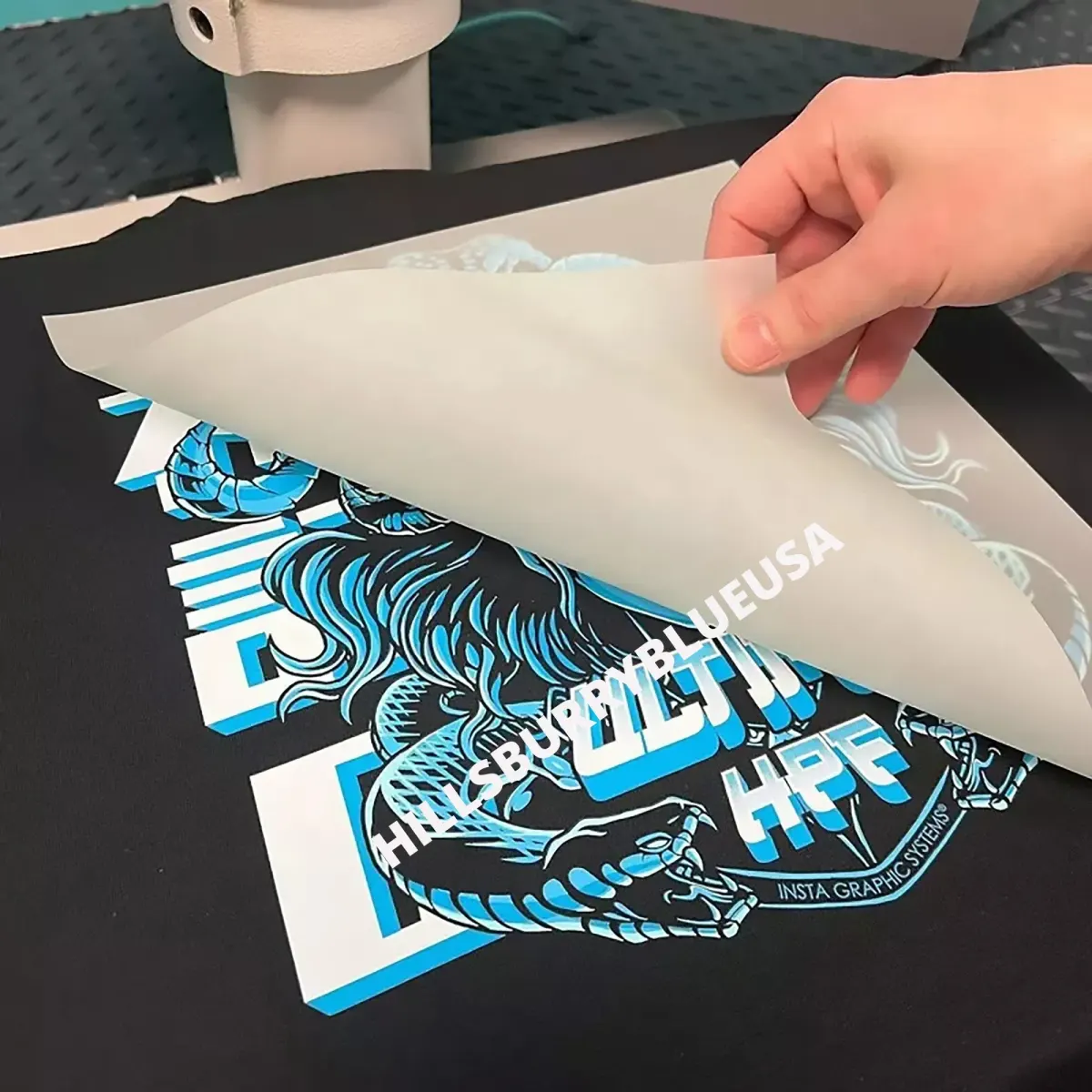
In the realm of modern garment decoration, **DTF transfers**, or Direct-to-Film transfers, are revolutionizing how designs are applied to fabric. This innovative technology allows for vibrant, high-resolution prints that adhere to various materials with ease, making it a favorite among custom garment printing enthusiasts. Mastering the DTF transfer process involves understanding essential techniques and best practices that can enhance durability and visual appeal. By utilizing advanced DTF printing techniques, users can achieve intricate designs and color gradients that are simply unattainable with traditional methods. As we delve deeper into the intricacies of DTF printing, this guide will equip you with the knowledge you need to excel in your creative endeavors.
When we talk about the art of applying designs to fabric, **Direct-to-Film (DTF)** technology stands out as a game-changer in the print industry. This method, which can be described as a fresh approach to custom garment printing, utilizes specialized films to transfer striking graphics onto textiles. The efficiency and versatility of this technique not only cater to a diverse range of fabric types but also offer exceptional durability for the final products. Understanding the processes and strategies behind DTF transfers, from preparation to execution, is vital for anyone looking to elevate their printing capabilities. Whether you're a seasoned professional or just starting, exploring these DTF printing techniques will open new avenues for your creative projects.
Exploring the Fundamentals of DTF Transfers
Direct-to-Film (DTF) transfers represent a significant advancement in garment printing. This innovative process involves printing designs onto transfer films that are then applied to various fabrics utilizing heat and pressure. Unlike traditional methods like screen printing or direct-to-garment (DTG) printing, DTF offers distinct advantages, such as the ability to achieve vibrant colors and intricate designs on an array of fabric types. To master the DTF transfer process, it’s vital to familiarize oneself with the essential components, including the appropriate inks, films, and heat application techniques.
Understanding the basics of DTF printing is critical for success. The DTF process typically begins with artwork creation, which is scaled and optimized for the specific fabric and design requirements. The use of high-quality DTF inks plays a crucial role in the vibrancy and durability of the prints. Additionally, selecting the right heat transfer film is essential, as it directly affects the clarity and adherence of the design on the fabric. Mastery of these fundamentals sets the foundation for creating high-impact, professional-grade DTF transfers.
Why DTF Transfers Stand Out in Custom Garment Printing
DTF transfers have gained popularity in the custom garment printing landscape due to their versatility. This technique can be applied to a wide variety of fabrics, including cotton, polyester, and blends, making it an ideal choice for businesses targeting diverse customer needs. Whether you are creating promotional apparel, custom sportswear, or fashion-forward items, DTF transfers allow for seamless integration of intricate designs without compromising fabric characteristics.
Moreover, the durability of DTF prints sets them apart from other printing methods. When executed correctly, DTF transfers maintain their vibrancy and resist peeling or cracking, even after multiple washes. This resilience is particularly appealing to customers who appreciate quality and longevity in their clothing. As a result, businesses utilizing DTF transfers can build a reputation for high-quality custom garments, ultimately leading to increased customer satisfaction and loyalty.
Mastering DTF Printing Techniques for Optimal Results
To achieve stunning DTF transfers, understanding the various printing techniques is paramount. One of the best practices is to ensure that printer settings are accurately calibrated according to DTF specifications. This includes adjusting the temperature, ink saturation level, and print resolution. Failure to optimize these settings can result in color inconsistencies or sub-optimal print quality, undermining the success of the transfer process.
Additionally, focusing on the pre-treatment of fabrics can significantly enhance the bond between the DTF transfer and the material. Utilizing appropriate pre-treatment solutions aligns the fabric characteristics with the DTF adhesives, thus promoting a stronger and more durable application. By honing these techniques, print professionals not only improve the aesthetics of their garments but also enhance the overall longevity of the printed designs.
Essential Tools for Successful DTF Transfer Solutions
Investing in the right tools is essential for achieving success with DTF transfers. High-quality printers equipped for DTF printing, along with specialized films and inks, are necessary to create vibrant designs. Choosing equipment that ensures precision in ink application and consistent heat distribution during the transfer process can greatly impact the final product's quality. Over time, leveraging advanced DTF printing tools can elevate your production capabilities and streamline the workflow.
Moreover, having reliable heat pressing equipment is crucial for a flawless transfer application. A professional-grade heat press machine that offers even heat distribution and adjustable pressure settings helps facilitate a successful transfer process. By prioritizing quality tools and equipment, print businesses can achieve superior results, minimizing disruptions and maximizing efficiency in their DTF printing endeavors.
The Importance of Post-Transfer Care in DTF Printing
Post-transfer care plays a vital role in the longevity and appearance of DTF transfers. After the heat press has been lifted, allowing the transfer to cool before peeling off the film ensures that the design adheres properly to the fabric. Rushing this step can lead to peeling or damage, compromising the overall quality of the garment. Proper post-transfer handling guarantees that the vibrant colors and intricate details of your DTF prints will last.
In addition to cooling, washing instructions impact the durability of DTF-printed items. Customers should be educated on how best to care for their garments, including methods such as washing in cold water and air drying. By promoting the right care practices, businesses can extend the lifespan of their DTF prints while enhancing customer satisfaction—a critical aspect of maintaining a loyal customer base.
Emerging Trends and Future Potential of DTF Transfers
The DTF printing market is rapidly evolving, particularly as trends in customization and personalization continue to rise. With low startup costs and high demand for unique, personalized apparel, small businesses are increasingly adopting DTF methods to differentiate themselves in the competitive fashion landscape. This growing trend represents a strategic opportunity for entrepreneurs eager to capitalize on consumer desires for distinctive garment options.
Furthermore, sustainability is becoming a significant focus within the DTF printing industry. As businesses transition towards more environmentally friendly practices, there's an increasing commitment to utilizing eco-conscious inks and films. By embracing sustainability and aligning operations with consumer values, companies can successfully navigate the changing landscape of print demands while ensuring they remain competitive in the market.
Frequently Asked Questions
What are DTF Transfers and how do they work?
DTF Transfers, or Direct-to-Film transfers, involve printing designs onto a special film, which is then applied to fabric using heat. This technique allows for vibrant colors and intricate designs to be transferred onto various textiles effectively, making it a preferred choice for custom garment printing.
What are the best practices for DTF printing to achieve high-quality results?
To ensure high-quality DTF printing, invest in quality DTF inks and films, calibrate printer settings specifically for DTF, pre-treat fabrics for better adhesion, and follow the correct transfer process with proper temperature and pressure. These best practices are essential for vibrant and durable results.
Can DTF Transfers be used on all fabric types?
Yes, DTF Transfers are versatile and can be used on a wide range of fabrics including cotton, polyester, and blends. This adaptability makes DTF printing an excellent option for various garment types and custom applications.
What is the DTF transfer process step-by-step?
The DTF transfer process involves printing on a special film, pre-treating the substrate fabric, applying the film using a heat press at around 350°F (175°C) for 15-20 seconds with adequate pressure, and allowing the transfer to cool before peeling off the film. Following this sequence ensures optimal adhesion and print durability.
How do I maintain DTF prints after application?
To maintain DTF prints, wash garments inside out in cold water, avoid using bleach, and hang dry whenever possible. Proper care helps preserve the vibrancy and longevity of the prints, ensuring designs remain intact after multiple washes.
What are the advantages of using DTF Transfers for custom garment printing?
DTF Transfers offer several advantages for custom garment printing including vibrant colors, durability after washing, versatility across different fabric types, and cost-effectiveness for small runs. These benefits make DTF an attractive option for businesses and individuals looking to create striking designs.
| Aspect | Description |
|---|---|
| Understanding DTF Transfers | DTF transfers use films for vibrant, intricate designs applied to various textiles. It differs from DTG printing by first printing onto a film. |
| Why Choose DTF Transfers? | 1. Versatility: Works on different fabrics. 2. Durability: Maintains color vibrancy after washes. 3. Cost-Effective: Economical for small to medium runs. |
| Key Techniques and Best Practices | 1. Quality Materials: Use high-quality DTF inks and films. 2. Printer Settings: Ensure accurate settings for temperature and resolution. 3. Pre-Treatment: Apply pre-treatment for better adhesion. 4. Transfer Process: Proper settings in heat press crucial. 5. Post-Transfer Care: Let the transfer cool before peeling. |
| Emerging Trends in DTF Transfers | Increased popularity in customization and eco-friendly practices. Low startup costs encourage new businesses. |
Summary
DTF transfers have revolutionized the garment decoration landscape, offering unique advantages in versatility and durability. As a cost-effective printing method, it attracts entrepreneurs seeking to enter the fashion industry with personalized offerings. By focusing on quality materials and mastering techniques, individuals and businesses can achieve striking designs that stand the test of time. The future of DTF transfers looks promising, with an emphasis on sustainable practices making it a top choice for environmentally conscious brands.