
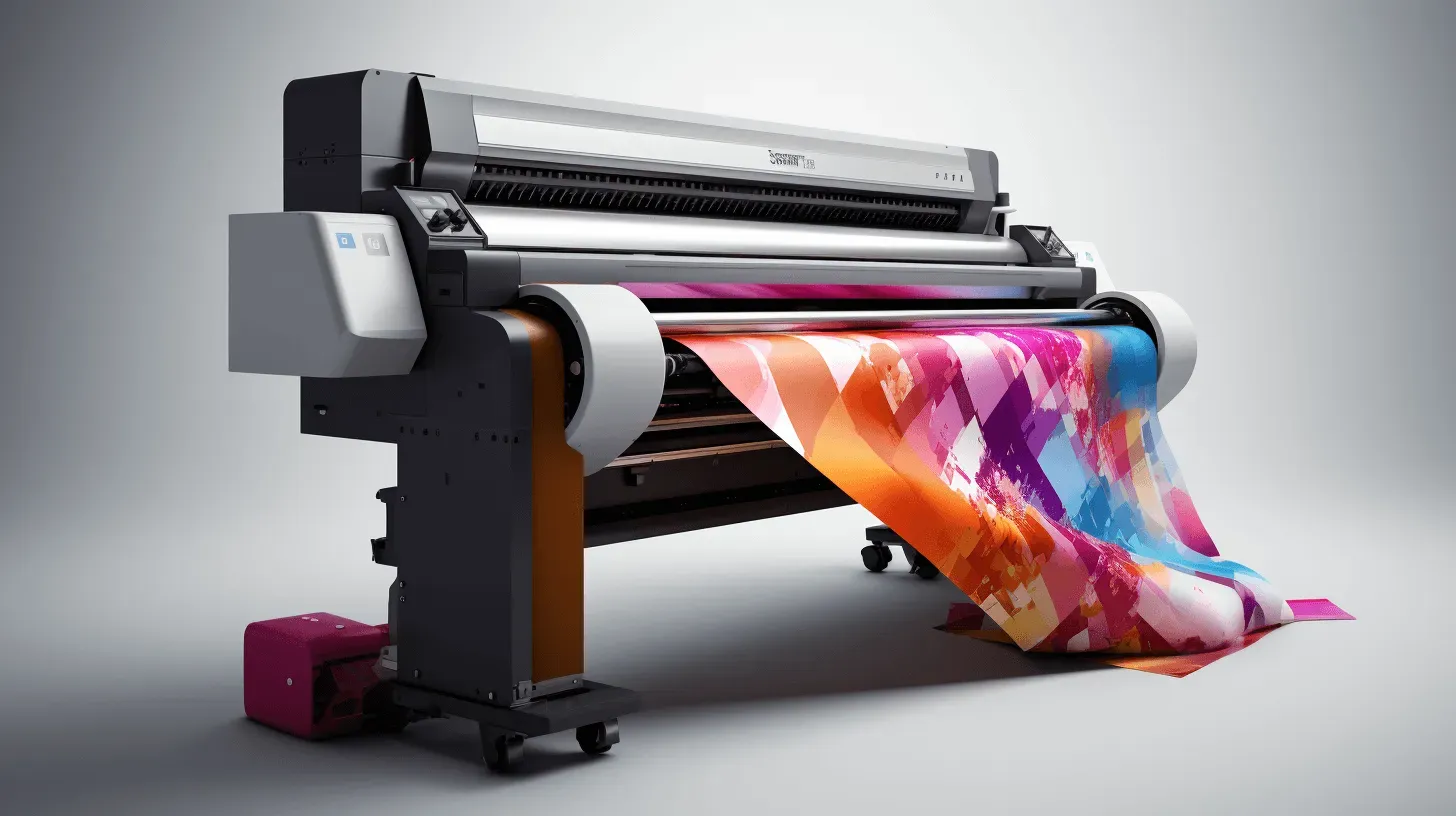
DTF printing, short for Direct-to-Film printing, is revolutionizing the custom apparel market with its advanced technology and immaculate print quality. As demand for personalized clothing soars in 2023, this innovative method stands out as a remarkably efficient solution for businesses and consumers alike. With its ability to produce vibrant and durable designs on various fabric types, DTF printing technology is enabling brands to fulfill the growing desire for custom apparel that reflects individual style. This blog post will explore the intricacies of DTF printing, spotlighting its efficiency, market trends, sustainable printing practices, and transformative impact on the fashion industry. If you are curious about the exciting potential of print on demand and how it leads to more sustainable choices in the apparel sector, you’re in the right place.
Exploring the innovative world of Direct-to-Film (DTF) printing unveils a game-changing approach in the realm of textile decoration. This cutting-edge technique represents a significant departure from traditional fabric printing methods, offering unmatched versatility and efficiency for creating custom garments. By harnessing advanced heat transfer processes, businesses can now produce high-quality prints on a variety of materials with ease. The growing interest in sustainable printing practices further amplifies DTF printing's appeal, as it enables lower environmental impact while meeting the increasing consumer demand for personalized, print on demand options. Understanding these dynamic methods allows entrepreneurs to leverage new technologies that redefine customization in the fashion industry.
What is DTF Printing?
Direct-to-Film (DTF) printing is a cutting-edge technology that involves printing high-resolution designs onto a special film, which is then heat-pressed onto fabric. This innovative method allows for vibrant colors and intricate designs, making it a favorite in the custom apparel market. Unlike traditional methods, DTF printing supports a wide range of materials, including cotton and polyester, making it an ideal choice for diverse apparel needs. Its ability to produce durable and long-lasting prints ensures that custom designs maintain their quality, even after multiple washes.
One of the major advantages of DTF printing is its efficiency, allowing businesses to create personalized clothing in a fraction of the time compared to traditional methods. The process is straightforward — print, transfer, and press — which facilitates a smoother workflow for print-on-demand businesses. As more companies recognize the benefits of this technology, DTF printing is expected to continue gaining traction in the competitive landscape of custom apparel.
Technological Innovations in DTF Printing
In recent years, technological advancements in DTF printing have dramatically improved the quality and speed of production. Modern printers are equipped with faster printing capabilities and enhanced color accuracy thanks to new ink formulations that resist fading and washing. This evolution not only benefits manufacturers but also enhances customer satisfaction, as clients receive superior quality products that stand the test of time. Moreover, larger rolls of film can now be accommodated by the latest printer models, streamlining the production process for businesses.
With continuous innovation in DTF technology, businesses are better positioned to meet the increasing consumer demand for customization. The shift toward personalization has led to greater investment in machinery that can handle intricate designs and varying fabric types. As the market for custom apparel expands, staying updated with the latest DTF printing advancements will be vital for companies aiming to remain competitive and meet evolving consumer needs.
Market Growth Trends Shaping DTF Printing
The custom apparel market is witnessing remarkable growth, driven largely by the capabilities of DTF printing. As consumers seek unique and personalized clothing options, businesses adopting DTF technology gain a significant competitive edge. Reports indicate that the demand for individualized clothing is rising, prompting brands to integrate DTF printing into their production processes not only for its efficiency but also its ability to produce small runs of customized items at a lower cost. This trend underscores the importance of DTF technology as a key player in the custom apparel sector.
Furthermore, small to medium-sized enterprises (SMEs) are increasingly recognizing the profitability of DTF printing. This cost-effective process allows these businesses to fulfill on-demand orders without the hefty setup costs associated with traditional screen printing. As highlighted in industry reports, many SMEs have successfully leveraged DTF for rapid order fulfillment, meeting consumer expectations for quick and personalized apparel without risking overstock.
Sustainability and DTF Printing
As consumer consciousness towards environmental issues rises, DTF printing is emerging as a sustainable alternative to traditional printing methods. With the introduction of eco-friendly materials and practices, including water-based inks and reduced waste, DTF printing appeals to brands looking to minimize their carbon footprint. Transitioning to this innovative printing technology allows companies to align with sustainability goals, thereby enhancing their market appeal to environmentally conscious consumers.
Brands that adopt DTF printing not only contribute to a greener planet but also build loyalty among customers who prioritize sustainability. As more buyers demand transparency regarding the environmental impact of their purchases, companies using eco-friendly DTF methods can cultivate deeper relationships with their audience. This growing consumer interest in sustainability will likely incentivize further innovation in DTF printing technology, creating a beneficial cycle of environmental consciousness in the industry.
Educational Resources for DTF Printing
The rising interest in DTF printing has led to an increasing number of educational resources becoming available for both novices and professionals. Online platforms such as Udemy and Skillshare now offer a variety of tutorials and comprehensive courses aimed at individuals keen on exploring DTF printing techniques. These resources are vital for anyone looking to start a career in the custom apparel industry, providing insights into foundational operations, best practices, and operational efficiencies.
Accessibility to such educational content not only empowers new entrants to gain critical skills but also fosters a community of informed professionals who can push the boundaries of DTF printing technology. With education becoming more accessible, the potential for innovation in the custom apparel space is enormous, as more individuals are equipped to create unique, high-quality products that meet the demands of a dynamic market.
The Future of DTF Printing in Custom Apparel
As we look toward the future, DTF printing is poised to transform the landscape of custom apparel further. The combination of advanced technology, market demand for personalization, and a strong emphasis on sustainability creates a perfect storm for the growth of DTF printing methods. Companies that invest in this technology will not only enhance their production capabilities but also align themselves with evolving consumer values, making them leaders in the sustainable apparel movement.
Continuous advancements in DTF printing technology will also enable businesses to experiment with more complex designs and integrate new materials into their offerings. As the industry evolves, staying attuned to technological innovations will be crucial for companies looking to capture consumer interest and thrive in an increasingly competitive environment. The potential for growth in DTF printing applications in custom apparel is significant, suggesting a bright future for both businesses and customers alike.
Frequently Asked Questions
What is DTF Printing and how does it work?
DTF printing, or Direct-to-Film printing, is a technique where designs are printed onto a special film and then transferred to fabrics using heat. This printing method produces vibrant colors and allows for a wide range of materials, including cotton and polyester, making it ideal for custom apparel.
How does DTF printing compare to traditional screen printing?
Compared to traditional screen printing, DTF printing is more cost-effective for small runs, as it eliminates high setup costs. It also offers quicker turnarounds for custom apparel orders and enables vibrant, long-lasting designs thanks to improved ink formulations.
What are the sustainability benefits of DTF printing?
DTF printing is considered more sustainable due to its use of water-based inks and lower waste production compared to traditional methods. Brands utilizing DTF technology can reduce their carbon footprint and appeal to environmentally conscious consumers.
Can DTF printing be used for print on demand services?
Yes, DTF printing is an excellent choice for print on demand services. It allows businesses to produce custom apparel efficiently without the need for large inventory investments, thus meeting customer demands on a smaller scale.
What technological advancements have improved DTF printing in 2023?
Recent advancements in DTF printing technology include faster printing speeds, enhanced color accuracy, and the use of new ink formulations that resist washing and fading, improving the overall quality and durability of printed custom apparel.
Where can I learn more about DTF printing techniques?
There are many online resources available to learn DTF printing, including platforms like Udemy and Skillshare, which offer tutorials and workshops for beginners eager to explore this innovative custom apparel printing technology.
| Aspect | Details |
|---|---|
| Introduction | DTF printing is revolutionizing the custom apparel industry with its efficiency and personalized options. |
| Understanding DTF Printing | It features a unique heat transfer process using special film for vibrant prints on various fabrics. |
| Technological Advancements | New printers offer faster speeds and better color accuracy with modern ink formulations. |
| Market Trends | The custom apparel market is expected to grow significantly due to the demand for personalization. |
| Sustainability | DTF is viewed as an eco-friendly alternative to traditional printing methods. |
| Educational Resources | Online platforms provide extensive tutorials and workshops for newcomers in DTF printing. |
Summary
DTF Printing is revolutionizing the custom apparel market by combining cutting-edge technology with environmental consciousness. In 2023, its popularity continues to rise as businesses leverage this innovative printing method to deliver personalized clothing options that meet and exceed consumer expectations. With advancements in technology leading to faster printing speeds and improved color accuracy, DTF printing is not only enhancing production efficiencies but also offering sustainable solutions that resonate with environmentally conscious customers. The growing educational resources available for DTF printing further support businesses and individuals eager to enter this expanding market, making it a crucial trend to follow. As we move forward, DTF technology promises to significantly shape the future of custom apparel production.