
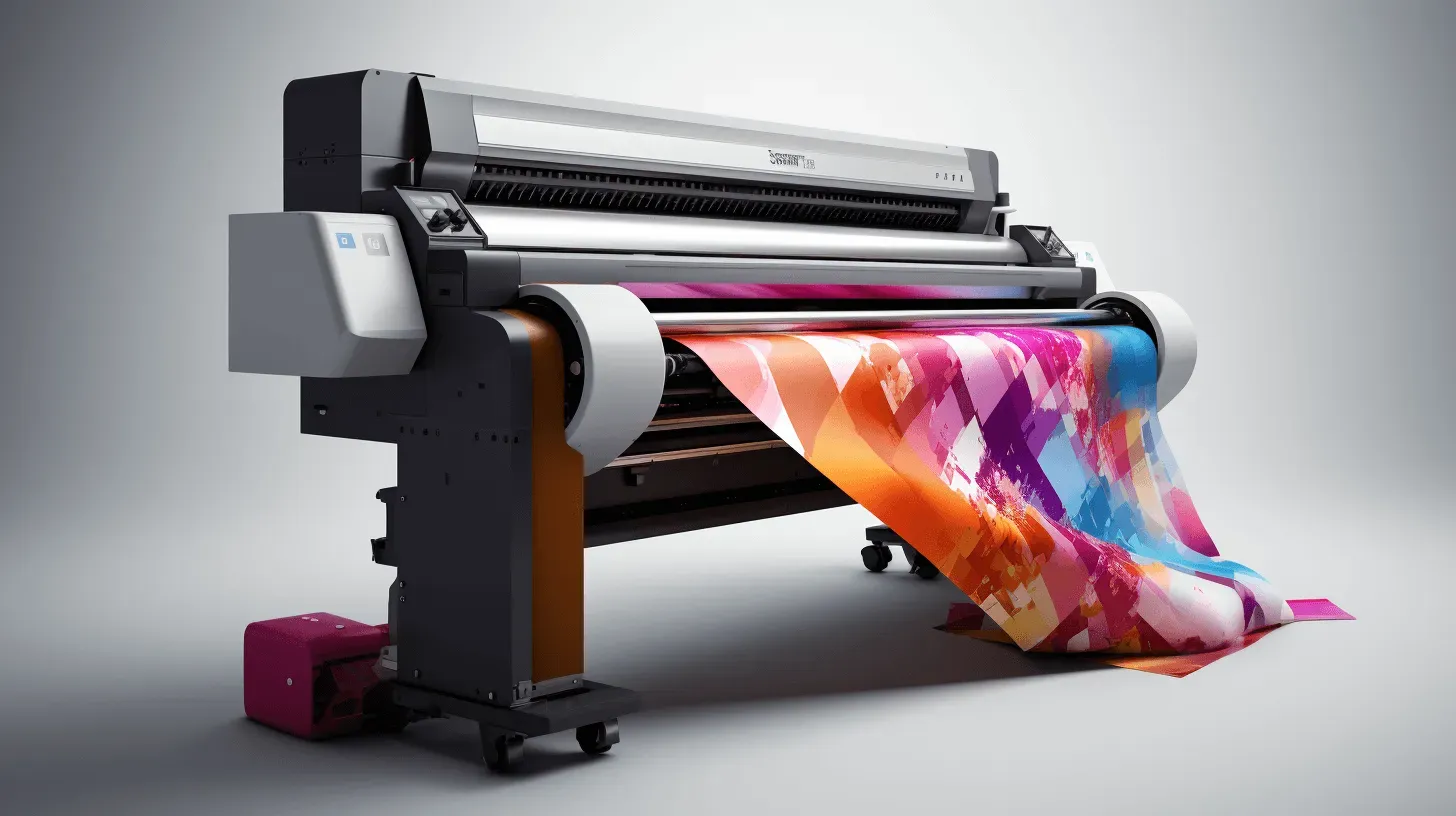
DTF printing, or Direct to Film printing, has revolutionized the world of textile design by providing an efficient method for transferring intricate graphics onto various fabrics. As the demand for customized apparel grows, mastering DTF printing has become vital for both hobbyists and professional printers alike. This innovative technique not only delivers vibrant colors and fine details but also supports a wide range of materials, making it incredibly versatile. In this guide, you’ll discover expert DTF printing tips, essential techniques, and insights into heat press application to elevate your printing projects. Get ready to unlock the full potential of your printing capabilities with these expert strategies!
Also known as Direct to Film technology, the process of applying vivid designs onto fabrics has gained significant traction in the printing industry. This advanced printing method allows for the creation of customized apparel and accessories, catering to an ever-growing market of personalized products. With various DTF printing techniques at your disposal, including precise heat press applications, you can achieve stunning results that stand out. Understanding the nuances of DTF printing is crucial for anyone looking to turn their creative ideas into wearable art. Join the ranks of successful printers by exploring the essentials of mastering this innovative printing method.
What is DTF Printing and Why It Matters
DTF printing, or Direct to Film printing, is revolutionizing the textile industry by providing an efficient way to transfer designs onto fabrics. This innovative technique differs from traditional printing methods as it allows for the transfer of intricate designs onto various materials through a specialized heat press application. The final product exhibits vibrant colors and fine detail, making it a preferred choice for custom apparel. This method's growing popularity is a testament to its efficiency and versatility.
One of the most significant advantages of DTF printing is its compatibility with multiple fabric types. Unlike some traditional printing techniques that are limited to certain materials, DTF printing can successfully adhere to cotton, polyester, and blends. This flexibility empowers businesses to cater to a wider range of consumer preferences, enhancing marketability. Moreover, DTF printing is environmentally friendly as it reduces waste compared to other techniques, making it a sustainable option for businesses focused on eco-conscious practices.
Frequently Asked Questions
What is DTF printing and how does it work?
DTF printing, or Direct to Film printing, is a cutting-edge technique that involves printing designs on a special film. This film is then transferred to fabric using a heat press. The process allows for vibrant colors and intricate designs, making it highly suitable for custom apparel on materials like cotton and polyester.
What are some essential tips for mastering DTF printing?
To master DTF printing, start with high-quality inks and transfer films designed specifically for this method. Ensure your printer settings are optimized for the materials you are using, and always pre-press the fabric before applying the transfer. Additionally, experimentation with different fabrics and techniques can lead to better results.
What equipment do I need for effective DTF printing?
Essential equipment for DTF printing includes a compatible printer, preferably a direct inkjet printer, along with high-quality pigment-based DTF inks. You'll also need specialized transfer film designed for DTF printing, a heat press, and graphic design software to prepare your designs.
How can I ensure the best heat press application for DTF printing?
For optimal heat press application in DTF printing, set your press to a temperature between 325°F to 350°F and apply sufficient pressure for consistent transfer. Pre-press the fabric to remove moisture and wrinkles, and follow the manufacturer’s guidelines for the transfer process closely to achieve the best results.
What troubleshooting tips can help with common DTF printing issues?
Common DTF printing issues such as poor adhesion or color fading can often be resolved by adjusting heat and pressure settings. Ensure that your DTF inks and films are compatible, and check your printer settings for color accuracy. Regularly conduct test prints to troubleshoot any discrepancies.
How should I care for garments printed with DTF techniques?
To care for DTF printed garments, allow the prints to cure adequately and always wash them inside out in cold water. Avoid harsh detergents and high heat when drying, as these can impact the durability and color vibrancy of the print.
| Key Points | Details |
|---|---|
| What is DTF Printing? | DTF printing, or Direct to Film printing, is a method for transferring designs onto fabric, enabling vibrant and detailed custom apparel designs. |
| Equipment Needed | Key equipment includes a compatible printer, high-quality DTF inks, and transfer films specifically designed for the process. |
| Preparation Steps | Use high-resolution graphics and adjust printer settings to optimize print quality and color accuracy. |
| Application Techniques | Utilize a heat press at the correct temperature and pressure; pre-press fabric for improved adhesion. |
| Post-Application Care | Allow prints to cure, wash garments inside out, and avoid high temperatures and harsh detergents. |
| Troubleshooting | Address issues like poor adhesion or color fading by checking heat settings and using correct printer profiles. |
| Continuous Learning | Engage with online communities for tips; experiment with different fabrics and techniques. |
Summary
DTF printing offers a revolutionary way to produce high-quality designs on fabric, making it an invaluable skill for those in the printing industry. This guide outlines essential practices, from preparing equipment to troubleshooting common issues, ensuring you achieve vibrant, durable results. By mastering DTF printing, you elevate your custom apparel business and meet the growing demand for personalized clothing.