
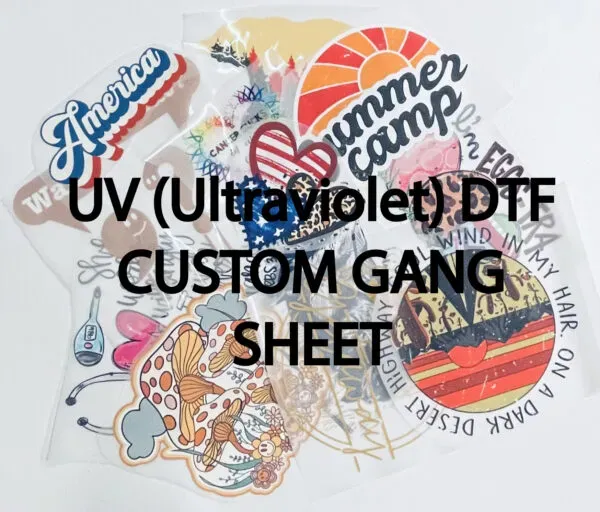
In the ever-evolving world of printing technology, UV DTF Gangheet emerges as a cutting-edge method that redefines print quality and application versatility. This innovative approach combines the unmatched advantages of UV printing with the efficiency of Direct-to-Film printing techniques. By leveraging UV light to cure inks, professionals can achieve highly vibrant and durable prints on a variety of substrates. As awareness of sustainable printing practices continues to grow, mastering UV DTF can position businesses at the forefront of industry trends. This introductory guide delves into essential best practices and techniques for those eager to succeed in the dynamic realm of UV DTF printing.
Understanding the intricacies of UV DTF printing—often hailed as a game-changer in the printing landscape—is essential for modern print professionals. Also known as direct-to-film printing with ultraviolet curing, this technology enables the creation of high-quality images that are both vivid and long-lasting. The seamless integration of UV ink technology into traditional printing processes highlights a commitment to innovation and efficiency. As the printing industry shifts towards eco-friendly methods, this technique also supports sustainable printing principles. By exploring foundational techniques and best practices, one can effectively harness the full potential of this advanced printing technology.
The Advantages of UV DTF Printing
UV DTF printing offers additional benefits that set it apart from traditional printing methods. One of the most significant advantages is its ability to print on a wide array of materials, such as various fabrics, plastics, and even metals. This versatility opens up doors for businesses in diverse industries, allowing them to explore unique applications that enhance their product offerings. Furthermore, the vibrant and durable prints achieved through this process are less prone to fading compared to those created using standard inks.
Another advantage of UV DTF printing is the efficient curing process. Unlike traditional methods that require extensive drying times, UV inks cure almost instantaneously upon exposure to ultraviolet light. This not only accelerates the production timeline but also enhances the overall efficiency of printing operations. Businesses can therefore optimize their workflow, reduce turnaround times, and increase customer satisfaction by delivering high-quality prints much quicker.
Best Practices for UV DTF Printing
To achieve the best results with UV DTF printing, it is vital to start with quality materials and inks. Opting for reputable brands guarantees higher adhesion rates and more vibrant prints that last longer. Research thoroughly, read reviews, and, if possible, request samples to evaluate the performance before making a purchase. This foundational step can dramatically impact the overall quality of the final product.
In addition to choosing quality materials, optimizing the curing process is another best practice. Properly adjusting the distance between your substrates and the UV light source can help ensure that inks cure correctly without inconsistencies. If prints are not adhering well or if there are issues with flaking, revisit your light settings and print speed to troubleshoot these challenges effectively.
Controlling the Print Environment
Maintaining stable environmental conditions is crucial for the success of UV DTF printing. Variables such as temperature and humidity can dramatically affect the performance of inks, leading to issues like inadequate curing or unpredictable color shifts. Using air conditioning and dehumidifiers can help create a consistent printing environment that fosters optimal print quality.
Moreover, environmental controls also play a significant role during the storage of inks and materials. It’s essential to keep inks in temperature-controlled areas away from direct sunlight to prevent viscosity changes. By safeguarding your materials from environmental fluctuations, you can ensure a more reliable printing process.
Overcoming Common Challenges in UV DTF Printing
Adhesion problems are one of the most common challenges faced in UV DTF printing. Variability in adhesion can occur due to the substrate type or improper preparation. If prints begin to peel or exhibit blemishes, considering the use of a primer may help. Investigating substrate options compatible with your specific ink formulation can also lead to better adhesion and overall print durability.
Another prevalent issue relates to ink viscosity management; improper viscosity can lead to clogging or bleeding. Consistently checking and adjusting ink viscosity according to manufacturer specifications is crucial. Implementing routine maintenance and contributing to a clean workflow will assist in achieving smooth, high-quality prints.
Sustainable Practices in UV DTF Printing
The urgency for sustainable practices in printing has led many businesses, including those in the UV DTF sphere, towards more eco-friendly solutions. The introduction of low-VOC UV inks is one such advancement, offering reduced environmental impact without sacrificing printing performance. These inks provide a responsible alternative that meets both consumer demand and regulatory standards.
Additionally, businesses can adopt practices such as recycling printing materials and utilizing energy-efficient equipment to further their sustainability efforts. Engaging with sustainable suppliers and considering the lifecycle of printing materials can significantly enhance the eco-friendliness of your operational procedures.
Examining Technology Trends in UV DTF Printing
As with any industry, technology trends continue to shape and enhance the capabilities of UV DTF printing. Advances in printing machinery now enable faster output and greater ease of use, which can significantly broaden the scope of projects businesses can tackle. This increased efficiency allows printers to take on larger jobs in a fraction of the time, creating opportunities for faster service delivery.
Emerging innovations, including automated systems and integrated software solutions, are also transforming the operational landscape. These advancements allow for real-time monitoring of print quality and simplify the maintenance processes, enabling businesses to focus more on design and creativity rather than troubleshooting everyday operational hurdles.
Frequently Asked Questions
What are the best practices for UV DTF Gangheet printing?
To optimize your UV DTF Gangheet printing, focus on using quality materials, such as high-quality DTF films and UV inks, to enhance vibrancy and longevity. Ensure proper curing techniques by adjusting the distance from the UV light source and controlling the environment’s temperature and humidity. Regular equipment maintenance is also essential to prevent clogging and ensure consistent print quality.
How does UV DTF Gangheet improve print quality compared to other printing methods?
UV DTF Gangheet combines the advantages of UV printing and Direct-to-Film techniques, ensuring vibrant colors and detailed outputs on various substrates. The UV curing process instantly solidifies the ink, making it resistant to fading and wear, which contributes to higher-quality prints compared to traditional methods.
What common challenges might I face with UV DTF Gangheet printing?
Common challenges in UV DTF Gangheet printing include adhesion issues on different substrates, managing ink viscosity effectively, and dealing with environmental influences like humidity. Implementing best practices such as using primers or adjusting ink settings can help mitigate these challenges.
What sustainability trends are associated with UV DTF Gangheet printing?
Sustainable printing practices in UV DTF Gangheet are on the rise, with the introduction of low-VOC UV inks that maintain high performance while being eco-friendly. This trend caters to an increasing demand from consumers for environmentally conscious printing solutions.
How can I prepare artwork for UV DTF Gangheet printing to achieve the best results?
To prepare artwork for UV DTF Gangheet printing, ensure high-resolution files are used and formatted correctly, preferably in CMYK color profiles. This attentiveness will help prevent color discrepancies and ensure optimal results when printed.
What are the emerging technology trends in UV DTF Gangheet printing?
Emerging technology trends in UV DTF Gangheet printing include advancements that enable faster printing capabilities and more user-friendly operations. These developments allow printers to handle larger projects efficiently, while also supporting personalized and customized products, meeting consumer demands for unique merchandise.
| Key Point | Description |
|---|---|
| What is UV DTF Printing? | Combines UV ink technology with direct-to-film printing, allowing printing on various materials. |
| How It Works | Images are printed on film, cured by UV light, resulting in vibrant and durable prints. |
| Quality Materials | Selecting high-quality films and inks significantly enhances print vibrancy and longevity. |
| Optimized Curing | Proper UV exposure is critical for good adhesion and print quality. |
| Environmental Control | Maintaining stable temperature and humidity is essential for consistent results. |
| Artwork Preparation | High-resolution, properly formatted artwork yields better prints. |
| Regular Maintenance | Routine cleaning and maintenance prolong equipment life and ensure quality. |
| Common Challenges | Adhesion and environmental issues can affect print quality; solutions include using primers and adjusting conditions. |
| Emerging Trends | Sustainability, technology advancements, and customization are shaping the future of UV DTF printing. |
Summary
UV DTF Gangheet is an innovative approach in the printing industry that enhances the quality and longevity of print designs through advanced techniques. Mastering this method combines creativity with technical skill, allowing for exceptional print output across various substrates. By adhering to best practices, managing environmental factors, and staying abreast of emerging trends such as sustainability and personalization, professionals can significantly elevate their printing projects. Engaging with industry resources and refining techniques will ensure consistent results and maintain high-quality standards, making UV DTF Gangheet a critical focus area for success in modern printing.