
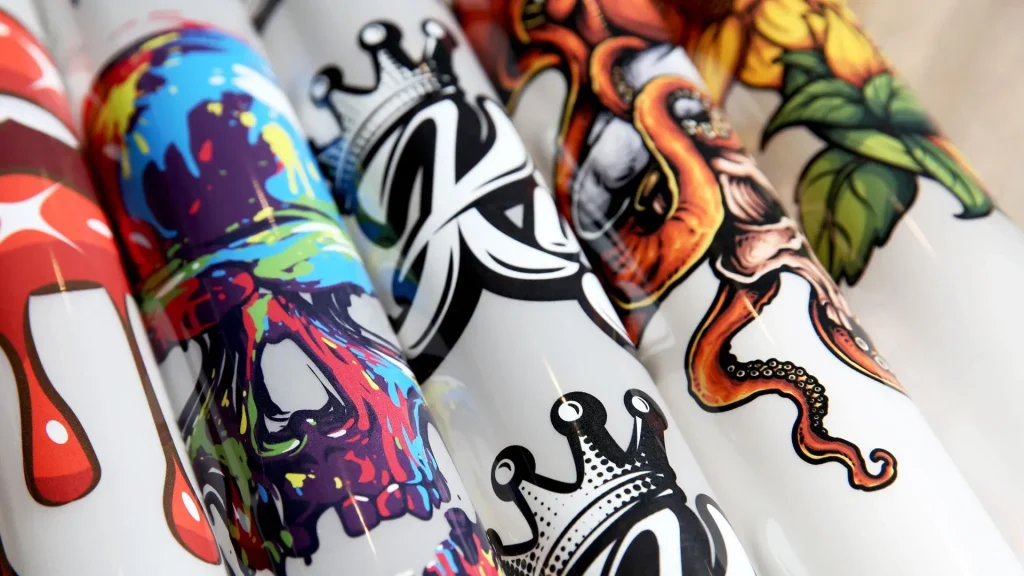
DTF transfers, short for Direct to Film transfers, are revolutionizing the garment decoration industry with their precision and versatility. This innovative printing method allows for stunning designs to be printed onto special transfer films, ready to be applied to a variety of fabric types. To achieve the best results, it’s crucial to select the best materials for DTF, including high-quality DTF transfer films and vibrant DTF inks that ensure longevity and vibrancy. Additionally, using appropriate adhesives for DTF is key to creating durable prints that hold up even after washing. In this guide, we’ll delve into the essential materials that contribute to the success of DTF transfers, enhancing your understanding and skills in this exciting printing technique.
When discussing direct-to-film printing, many might refer to it as the next big thing in fabric decoration. This technique not only emphasizes the application of designs onto films but also requires the selection of premium materials for optimal performance. Success hinges on the quality of items like DTF transfer sheets, ink formulations, and bonding agents that enhance transfer adhesion – particularly with target fabrics. Understanding the nuances of this method equates to better print quality and durability. This exploration will provide insights into the critical components necessary for mastering this modern printing approach.
Choosing the Right Transfer Films for DTF Printing
When it comes to DTF transfers, selecting the appropriate transfer film is paramount. The most effective films are typically constructed from Polyethylene Terephthalate (PET), which is known for its excellent adherence and ability to deliver crisp, clear prints. Well-known brands like TMT and A&E have refined their films through advanced coating technologies, ensuring they not only provide stunning visuals but also durability against frequent washing. These high-quality films play an essential role in achieving a striking image that lasts, making them a crucial consideration in your DTF printing projects.
Moreover, the evolution of transfer film technology continues to push the limits of what is possible in DTF printing. Innovations in film formulations now offer heat resistance that holds up even during repeated wash cycles, preserving the vibrancy of colors over time. Selecting the right transfer film isn’t just about aesthetics; it’s also about ensuring the longevity and resilience of your designs. Therefore, investing in high-quality DTF transfer films should be a top priority for anyone looking to get the most out of their printing capabilities.
Understanding the Importance of DTF Inks
The choice of ink in DTF printing significantly influences the end result. Opting for pigment inks is highly recommended, given their exceptional ability to generate vivid colors and superior wash fastness. These inks are designed to bond well with transfer films, enabling designs to transfer seamlessly onto fabrics while maintaining brightness and clarity. The innovative nature of pigment inks provides a competitive edge for brands aiming to stand out with their printed designs.
Additionally, there’s a rising trend toward eco-friendly inks in the DTF printing landscape. As sustainability becomes a more pressing concern, manufacturers are responding by developing inks that maintain high performance while minimizing environmental impact. These sustainable options not only align with global initiatives to reduce pollution but also allow businesses to market themselves as environmentally responsible. By using quality DTF inks, printers can expect to achieve vibrant outputs while catering to a conscious consumer base.
Essential Adhesives for Professional DTF Transfers
Adhesives are an indispensable part of the DTF transfer process, as they ensure that the designs adhere effectively to the fabric. Non-toxic, water-soluble adhesive powders have revolutionized this aspect, offering a convenient and pollution-free alternative to traditional adhesives. These innovative adhesives activate under heat, creating a strong bond that not only secures the film but also enhances the transfer’s longevity through multiple washes.
The application of these advanced adhesives simplifies the workflow for printers, allowing for a more straightforward process without compromising on the quality of the end product. This ease of use is critical for businesses juggling multiple orders, as it ensures efficiency while maintaining the industrious nature of printing. As the market continues to improve adhesive formulations, printers should seek out the latest options to maximize their results.
Selecting the Best Garment Fabrics for DTF Printing
Choosing the right fabric is crucial in maximizing the potential of your DTF transfers. While DTF printing can be successfully applied on various textiles, cotton and cotton-blend fabrics generally yield the best results. These materials offer an ideal base for ink adhesion, resulting in bold and durable prints that can withstand regular washing without fading.
Furthermore, synthetic fabrics like polyester and nylon are gaining popularity due to significant advancements in DTF ink technology. These materials are especially ideal for specific applications such as sportswear, where moisture-wicking properties and breathability are vital. Achieving high-quality prints on these fabrics expands the versatility of DTF printing and appeals to a broader customer base seeking performance-oriented apparel.
Emerging Trends in DTF Technology
The realm of DTF printing is evolving rapidly, with emerging trends setting the stage for the future of garment decoration. One notable trend is the rise of hybrid printing systems that cleverly combine DTF with Direct to Garment (DTG) methods. This fusion allows printers to exploit the unique advantages of both techniques, facilitating creative designs that were once constrained by the capabilities of individual printing processes.
Additionally, user-friendly DTF printers are becoming increasingly accessible, designed specifically for small business owners and hobbyists. These modern machines often feature intuitive designs and straightforward setups, enabling users to produce high-quality prints with minimal effort. As technology advances and becomes more approachable, it democratizes the DTF printing process, empowering a new generation of creators to dive into garment decoration.
Frequently Asked Questions
What are the best materials for DTF transfers?
The best materials for DTF transfers include high-quality transfer films such as Polyethylene Terephthalate (PET), vibrant pigment inks, non-toxic adhesive powders, and suitable garment fabrics like cotton and cotton blends. Choosing these materials ensures excellent print quality and durability.
How do I select the right DTF transfer films?
When selecting DTF transfer films, opt for specialty films like PET known for their excellent adhesion and clear finish. Brands like TMT and A&E offer high-quality options that provide outstanding image quality and durability for your printing projects.
What types of inks are suitable for DTF transfers?
Pigment inks are suitable for DTF transfers due to their vibrant colors and excellent wash fastness. Eco-friendly inks are becoming increasingly popular, offering sustainable options that perform well without compromising on quality.
What role do adhesives play in the DTF transfer process?
Adhesives in DTF transfers are crucial for bonding the printed film to the fabric. Non-toxic, water-soluble adhesive powders offer strong adhesion and durability, ensuring the designs withstand multiple washes and maintain their vibrancy.
Which garment fabrics work best with DTF transfers?
DTF transfers work best on cotton and cotton-blend fabrics, providing excellent adhesion and vibrant prints. Polyester and nylon are also great options, especially for performance wear, thanks to their moisture-wicking properties.
Are there any recent trends in DTF technology?
Recent trends in DTF technology include hybrid systems that combine DTF with Direct to Garment (DTG) printing, as well as the development of user-friendly DTF printers, making the printing process more accessible to hobbyists and small business owners.
| Key Material | Description | Benefits |
|---|---|---|
| Transfer Films | Specialized films like PET that facilitate image transfer onto fabric. | Excellent adhesion and clarity; durable through multiple washes. |
Summary
DTF Transfers are transforming the garment decoration industry with their versatility and exceptional print quality. By selecting appropriate materials such as high-quality transfer films, vibrant pigment inks, strong adhesives, and compatible garment fabrics, you can significantly enhance the durability and appearance of your prints. The emerging trends, including hybrid printing systems and user-friendly designs, further augment the appeal of DTF printing, making it accessible and efficient for users at all levels. Embracing these materials and innovations is crucial for anyone looking to achieve stunning results with DTF Transfers.