
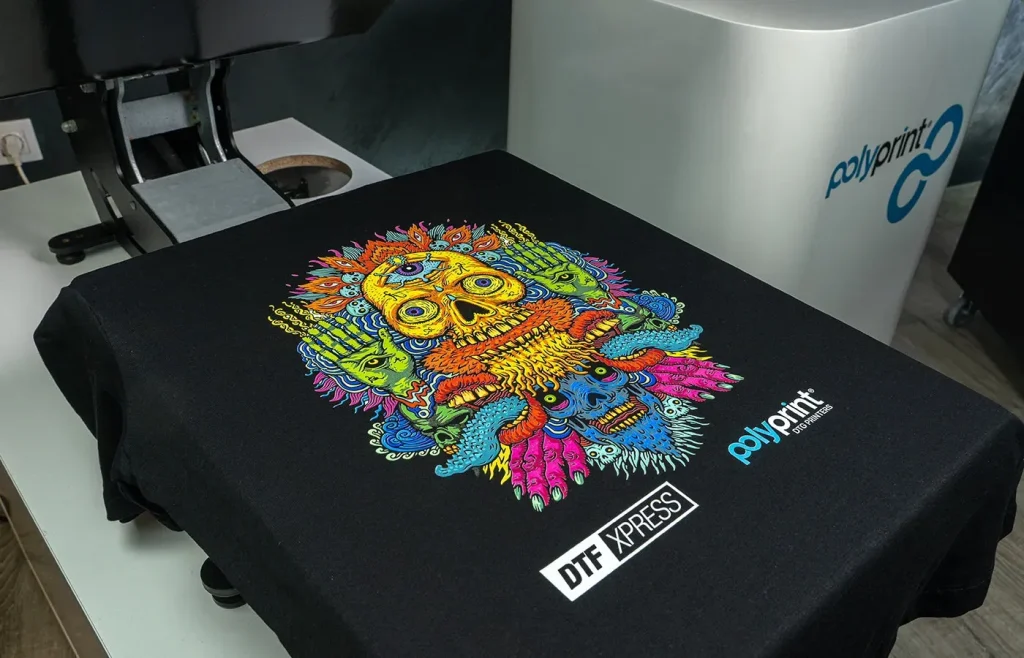
DTF printing, or Direct-to-Film printing, is transforming the world of custom printed apparel with its innovative approach to creating high-quality designs. This technique allows for vibrant graphics to be printed on a variety of fabric types, making it a favorite among garment decorators and small businesses alike. By utilizing eco-friendly water-based inks, DTF printing not only ensures stunning visuals but also aligns with sustainable practices that are increasingly important to consumers today. In this article, we will delve into how DTF printing works, exploring its advantages, such as versatility and cost-effectiveness, as well as the step-by-step DTF printing process that makes it all possible. Join us as we uncover the key elements that position DTF printing as a game-changer in the realm of fabric decoration.
Commonly referred to as Direct-to-Film printing, this advanced technique is redefining custom apparel production by allowing intricate designs to be effortlessly transferred onto various fabrics. DTF offers a unique solution for businesses looking to produce high-impact visuals while benefiting from a simplified process that differs significantly from traditional methods. With its eco-friendly characteristics and the ability to print on a diverse range of textiles, this printing method has quickly gained traction in the fashion industry. By exploring the fundamental workings of DTF, we can better understand its rapid adoption and the reasons behind its growing popularity in the increasingly competitive market for printed merchandise.
Understanding DTF Printing: A Comprehensive Overview
Direct-to-Film (DTF) printing is a revolutionary technique designed to meet the dynamic needs of the fashion industry. It engages artists and businesses by allowing them to create stunning designs on various textile materials with relative ease. This method utilizes a transfer film as the base where vibrant and high-resolution images are printed using eco-friendly, water-based inks. Unlike traditional Direct-to-Garment (DTG) printing, DTF does not require fabric pre-treatment, making it more accessible and adaptable for multiple fabric types.
The essence of DTF printing lies in its ability to produce high-quality outputs quickly and cost-effectively, thus catering to both high-demand commercial environments and niche custom printed apparel markets. Its versatility allows for printing on diverse materials, including cotton and polyester blends, and this adaptability is gaining attention from silhouettes to intricate designs that resonate with contemporary fashion trends.
Detailed Workflow: The DTF Printing Process Explained
Understanding the DTF printing process is crucial for anyone interested in garment decoration. The technique begins with design preparation, where digital image creation software like Adobe Illustrator or CorelDRAW is utilized to craft stunning visuals. This initial step plays a significant role in ensuring that the eventual printed output meets quality expectations. The design is then transferred to a specialized polyester film, where high-quality, eco-solvent or pigment-based inks render the image, readying it for application.
The subsequent steps involve applying a hot-melt adhesive powder to the wet ink, followed by a curing process to ensure that the adhesive properly binds. The final heat transfer step integrates the design seamlessly onto the chosen fabric with precision. Each element of the process highlights the sophistication and efficiency of DTF printing, distinguishing it from traditional methods and enhancing the user experience.
Key Advantages of DTF Printing in Modern Apparel
DTF printing boasts several advantages that make it a preferred choice in the apparel industry. Firstly, its remarkable versatility stands out; it can print on a wide range of textiles, including cotton, polyester, and various blends. This means that designers and businesses can cater to a broader audience without being limited by the materials available. Additionally, the process is cost-effective, especially for small production runs, which significantly reduces waste and mitigates upfront costs, making it an ideal option for startups.
Moreover, DTF printing is known for producing vibrant colors and sharp details, ensuring that the final product not only meets customer expectations but also stands out in the competitive market. For custom printed apparel businesses, the high-quality prints can significantly elevate brand perception, leading to increased customer satisfaction and loyalty.
Environmental Benefits of DTF Printing
As sustainable practices gain traction in various industries, DTF printing emerges as a responsible choice in garment production. Utilizing water-based inks aligns with modern environmental standards, decreasing reliance on harsh chemicals commonly found in traditional printing methods. The ability to produce high-quality prints while minimizing waste positions DTF printing as a green alternative, appealing to eco-conscious consumers.
Additionally, the reduced material waste associated with DTF printing processes supports the drive towards sustainable fashion. As consumers increasingly favor brands with ecological values, businesses that adopt DTF are likely to enhance their market positioning and resonate better with their target audience.
Technological Innovations Enhancing DTF Printing
The landscape of DTF printing is continuously evolving due to rapid technological advancements. Recent innovations not only improve print quality but also enhance production speed, allowing for quicker turnarounds on orders. New DTF printers are designed to handle intricate details in printing, making it easier for artists to translate their creativity into wildly popular designs.
Additionally, advancements in adhesive formulations have boosted the durability of prints, ensuring they withstand numerous washes without fading. As technology continues to evolve, the capacity for DTF printing will expand, indicating promising potential for businesses looking to capitalize on trends within the printing and apparel markets.
Market Trends: The Growing Demand for DTF Printing Solutions
The market for DTF printing is witnessing substantial growth, driven by a surge in demand for personalized apparel and unique designs. Small businesses are particularly attracted to DTF due to its affordability and efficiency compared to traditional screen printing methods, which often involve higher costs and longer production times. The trend towards personalization reflects consumers’ desire for unique, expressive fashion statements, positioning DTF printing as a viable solution for both niche markets and larger businesses.
As the industry matures, adaptations to accommodate consumer preferences will likely emerge, pushing DTF printing further into the spotlight. The increased interest in custom designs and low minimum order quantities makes DTF an attractive avenue for emerging entrepreneurs looking to establish their brand identity within the vibrant fashion landscape.
Frequently Asked Questions
What is DTF printing and how does it work?
DTF printing, or Direct-to-Film printing, involves printing high-quality images onto a special transfer film using eco-friendly water-based inks. The process includes several steps: designing the image, printing it onto the film, applying adhesive powder, curing the adhesive, and finally heat transferring the design onto fabric, resulting in vibrant and durable prints.
What are the advantages of DTF printing compared to traditional methods?
DTF printing offers numerous advantages, including versatility across various fabrics such as cotton and polyester, cost-effectiveness for small production runs, and the ability to produce high-quality prints with bright colors and sharp details. Moreover, it uses environmentally friendly inks, making it a sustainable option in the printing industry.
Can DTF printing be used for custom printed apparel?
Yes, DTF printing is particularly well-suited for custom printed apparel due to its ability to print vibrant designs on a wide range of fabric types. Its cost-effective nature also makes it ideal for small batches or one-off custom orders, allowing businesses to cater to individual customer preferences with ease.
What materials can be printed using DTF printing?
DTF printing can be used on a variety of materials, including cotton, polyester, blends, and other fabrics. This versatility allows for the production of customized apparel and designs across different clothing types, making DTF printing a popular choice for diverse applications in the garment industry.
What is the DTF printing process step-by-step?
The DTF printing process involves several key steps: 1) Design preparation using graphic software; 2) Printing the design on a special polyester film; 3) Applying hot-melt adhesive powder over the wet ink; 4) Curing the adhesive in a drying oven; and 5) Heat transferring the design onto the fabric, ensuring a strong bond and vibrant finish.
How does DTF printing contribute to environmental sustainability?
DTF printing is more environmentally friendly compared to traditional methods due to its use of water-based inks and reduced waste. It eliminates the need for harsh chemicals and extensive pre-treatment, aligning with contemporary sustainable practices and offering a greener alternative for custom printing in the apparel industry.
| Key Points | Details |
|---|---|
| What is DTF Printing? | A technique for printing high-quality images onto a special transfer film using water-based inks. |
| Benefits of DTF Printing | Versatility, cost-effectiveness, and high-quality prints. |
| Step 1: Design Preparation | Create a high-resolution design using software like Adobe Illustrator or CorelDRAW. |
| Step 2: Printing on Film | Print the design on special polyester film using a DTF printer with eco-solvent or pigment-based inks. |
| Step 3: Applying Adhesive Powder | Spread hot-melt adhesive powder over the wet ink on the film. |
| Step 4: Curing the Adhesive | Pass the film through a curing oven to melt the adhesive and bond it to the ink. |
| Step 5: Heat Transfer to Fabric | Use a heat press to transfer the design from the film to the fabric. |
| Environmental Impact | Uses water-based inks and reduces waste for a greener printing alternative. |
| Technological Advancements | Improved print quality, faster production speeds, and advanced adhesives. |
| Market Trends and Future of DTF Printing | Growing demand for personalized apparel and accessibility for startups. |
Summary
DTF printing is transforming the garment decoration landscape by providing a cost-effective and efficient method for creating high-quality prints on various fabrics. This innovative process not only caters to a diverse range of material types but also aligns with eco-friendly practices by utilizing water-based inks and reducing waste. As technology continues to advance within DTF printing, it sets the stage for a bright future in the industry, particularly for businesses seeking to capitalize on the rising demand for custom designs and personalized apparel. Embracing DTF printing can open up new opportunities for entrepreneurs and established brands alike, ensuring they remain competitive in a rapidly evolving market.