
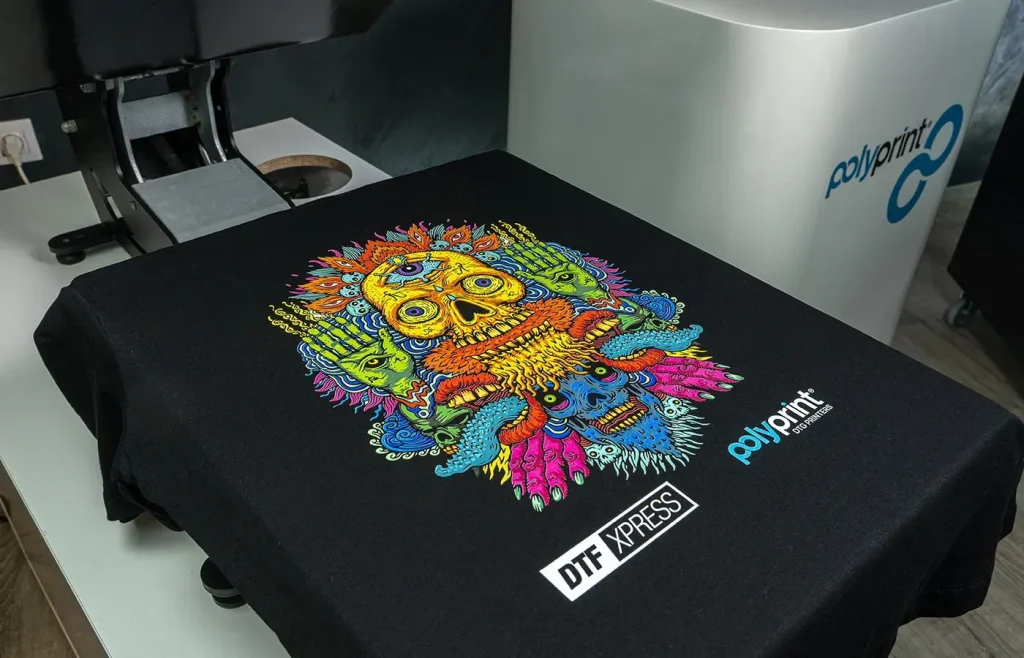
DTF printing, or Direct-to-Film printing, represents a remarkable shift in the world of custom apparel and printing technology. This innovative method allows for high-quality designs to be applied directly to film, which are then transferred to various fabrics using heat and pressure. Compared to traditional techniques like screen printing, DTF printing offers incredible flexibility, enabling businesses to create intricate and vibrant designs that cater to the personalized preferences of consumers. The demand for sustainable printing solutions has further bolstered the popularity of DTF, as it minimizes waste and utilizes fewer harmful solvents in the process. As we dive deeper into the future of printing, understanding how DTF printing is revolutionizing the industry will highlight its advantages, challenges, and potential for growth in the marketplace.
Direct-to-Film printing is often hailed as a groundbreaking approach to custom apparel decoration, combining speed and quality in ways that traditional methods can’t match. Often referred to as a versatile alternative to screen printing, this method involves printing designs onto a specialized film before transferring them onto fabric surfaces. As a part of the latest printing technology evolution, DTF printing is becoming increasingly popular for its ability to produce detailed designs quickly and efficiently. Not only does it meet the growing consumer demand for personalization, but it also embraces sustainable printing practices that contribute to a reduction in environmental impact. By exploring how this printing method operates, we can uncover its potential to reshape the landscape of the apparel industry.
Understanding the Mechanics of DTF Printing
Direct-to-Film (DTF) printing represents a significant advancement in the realm of printing technology, offering a unique approach to garment decoration. At its core, DTF printing involves applying designs onto a specialized film that is then heat-transferred onto various fabrics. This innovative method not only allows for the efficient reproduction of vibrant and complex graphics, but it also accommodates a wide range of materials, including cotton and polyester. As businesses and artists explore the possibilities of DTF, the mechanics behind it underscore its growing popularity as a versatile printing solution.
The simplicity of the DTF printing process is one of its standout features. Utilizing a printer equipped with DTF-specific inks, designs are printed onto a special film that contains a heat-activated adhesive. After printing, the film is positioned on the desired fabric and fused together using a heat press. This results in a strong bond that preserves the integrity and vibrancy of the print, making it a preferred alternative to traditional methods like screen printing and Direct-to-Garment (DTG) printing. Understanding these mechanics is vital for businesses looking to harness the advantages of DTF in their custom apparel offerings.
The Rise of Custom Apparel through DTF Printing
The demand for custom apparel has skyrocketed in recent years, and DTF printing is at the forefront of this trend. Tailored to meet individual preferences, custom apparel allows for personalized designs that resonate with consumers. DTF printing’s rapid setup time and ability to produce small quantities at a cost-effective rate empower businesses to offer unique, bespoke products without the limitations imposed by traditional screen printing methods. As a result, brands can engage with their customers on a deeper level, creating clothing that reflects their identities and preferences.
Furthermore, the growth of e-commerce platforms and social media has amplified the need for customizable clothing options. Consumers are increasingly drawn to one-of-a-kind designs that stand out from mass-produced items. DTF printing not only fulfills this demand but also enhances the overall customer experience by enabling faster turnarounds and more intricate designs. This evolution in the custom apparel market illustrates how DTF printing is revolutionizing the way we think about personal expression through fashion.
Exploring DTF printing’s advantages reveals how it can outperform traditional screen printing options, especially in the realm of custom apparel. Unlike screen printing, which is often limited by production runs and setup costs, DTF allows for flexibility in creating smaller batches without sacrificing quality or color vibrancy. This transition towards personalized and faster production models speaks volumes about the future of custom apparel in an increasingly competitive market.
As businesses increasingly prioritize customer satisfaction and uniqueness, the integration of DTF printing technologies into apparel design strategy will likely see remarkable growth. By providing efficient production, greater design latitude, and shorter turnaround times, DTF printing not only establishes itself as a go-to resource for custom apparel but also encourages innovation in design practices.
DTF Printing Versus Traditional Printing Methods
When comparing DTF printing to traditional methods like screen printing and Direct-to-Garment (DTG) printing, the distinct advantages become clear. DTF printing is ideal for producing intricate designs with a wide array of color gradients, exceeding what traditional screen printing can deliver. While screen printing is often praised for its durability, it comes with high costs and lengthy setup times, particularly when dealing with smaller orders. DTF printing, however, streamlines this process, enabling businesses to cater to customers looking for small runs of complex designs quickly and without a hefty upfront investment.
Furthermore, the quality of DTF prints is exceptional, boasting excellent adhesion and resistance to wear and tear, making it suitable for items that undergo multiple washes without fading. As consumers advocate for higher quality products, the flexibility offered by DTF allows for a balance between cost-effectiveness and superior quality—an attraction for brands looking to maintain competitive pricing while enhancing their product offerings. This synergy between quality and affordability positions DTF printing as a suitable alternative in the evolving landscape of custom printing solutions.
Sustainability of DTF Printing in the Industry
As sustainability becomes a crucial factor for consumers and brands alike, DTF printing emerges as a champion of eco-friendly practices within the printing industry. Unlike traditional printing processes that often result in excessive waste of materials and resources, DTF printing promotes on-demand production, minimizing environmental impact. This method allows businesses to print only what is necessary, decreasing textile waste and energy consumption often associated with screen printing methods.
Moreover, DTF printing utilizes fewer harmful chemicals, contributing to a healthier working environment for operators and reducing risks associated with harmful solvents prevalent in older printing technologies. As brands increasingly aim to align their values with environmental responsibility, DTF printing provides an attractive solution that supports sustainable development while meeting consumer’s demands for quality and uniqueness in their apparel.
Challenges Facing the DTF Printing Space
Despite its many advantages, the field of DTF printing is not without its challenges. One of the primary hurdles lies in ensuring high-quality outputs, which necessitates the use of premium inks and specialized films. Without these essentials, businesses may struggle to consistently produce the desired quality of prints, leading to discrepancies and dissatisfaction among customers. Additionally, maintaining equipment performance over long production runs can present complications, highlighting the need for routine maintenance and skilled operators.
Moreover, as the market for DTF printing grows, competition intensifies, requiring businesses to continually adapt and innovate to stay ahead. Staying abreast of advancements in technology and practices is crucial for printing companies looking to sustain their relevance. Addressing these challenges head-on is imperative for businesses wanting to capitalize on DTF printing’s potential while ensuring high standards in production quality.
The Future Innovations in DTF Printing Technology
Looking ahead, the future of DTF printing holds immense potential as technology continues to evolve. Innovations in ink formulation can contribute to enhanced print quality, longevity, and even sustainability. Improvements in digital design platforms will further streamline the DTF printing process, allowing for unprecedented levels of customization and ease of use. The anticipated integration of augmented reality and other digital technologies could revolutionize how consumers interact with custom apparel brands, providing immersive experiences that enhance customer engagement.
Additionally, advancements in printing machinery and methods can lead to increased efficiency and reduced costs, making DTF printing even more accessible to small businesses and startups seeking to establish their brands. As the awareness and appreciation for sustainable printing practices grow, DTF printing is well-positioned to remain at the forefront of consumer preferences, aligning technology with eco-conscious values. This confluence of innovation and responsibility sets the stage for a vibrant future in the landscape of printing.
Frequently Asked Questions
What are the main advantages of DTF printing over traditional screen printing alternatives?
DTF printing offers several advantages over traditional screen printing, including cost-effectiveness for small orders, quick setup times, and the ability to reproduce intricate designs with vibrant colors. Unlike screen printing, DTF allows for faster production and does not require minimum order quantities, making it ideal for custom apparel.
How does the DTF printing process work?
The DTF printing process involves printing designs onto a specialized film coated with a heat-activated adhesive. This film is then transferred onto fabrics—including cotton and polyester—using a heat press, ensuring durable and vibrant prints that can withstand multiple washes.
Is DTF printing a sustainable printing technology?
Yes, DTF printing is considered a sustainable printing technology. It minimizes waste through on-demand production, utilizes fewer harmful solvents, and promotes efficient resource usage, which contributes to reducing the overall environmental footprint of the printing industry.
What types of materials can be printed using DTF printing technology?
DTF printing technology is versatile and can print on a variety of fabrics, including cotton, polyester, and blends. This flexibility allows for a broad range of applications in custom apparel and other textile products.
What challenges might businesses face when using DTF printing?
Businesses may face challenges such as maintaining consistent print quality and machine performance, which are crucial for long production runs. Additionally, the quality of films and inks used in the DTF process can impact the final result, requiring careful selection and management of materials.
How does DTF printing compare to Direct-to-Garment (DTG) printing?
DTF printing differs from Direct-to-Garment (DTG) printing in several ways: DTF is typically faster and more cost-effective for smaller runs, while DTG is often used for larger orders. DTF also excels in producing vibrant, intricate designs that can adhere firmly to various fabric types, giving it an edge in versatility.
| Aspect | Description |
|---|---|
| Introduction | Overview of DTF printing and its significance in modern printing. |
| What is DTF Printing? | A process that applies designs onto film for transfer to fabrics using heat and pressure, allowing for vibrant and long-lasting prints. |
| Key Developments | |
| Technology Overview | Utilizes a specialized film with heat-activated adhesive for transferring designs to various materials. |
| Market Growth | Rapid expansion driven by consumer demand for custom apparel and efficient production methods. |
| Advantages | Cost-effective for small runs, quick setups, ability to produce intricate designs, and durable prints. |
| Environmental Considerations | Minimizes waste through on-demand production and uses fewer harmful solvents compared to traditional methods. |
| Challenges | Requires high-quality films and inks; consistency and reliability in print quality can be difficult to maintain. |
| Future Innovations | Advancements in technology and materials will enhance DTF printing’s speed, efficiency, and sustainability. |
Summary
DTF printing is rapidly becoming a pivotal technology in the printing landscape due to its ability to meet diverse consumer needs. It revolutionizes the production of custom apparel by allowing designs to be transferred onto various fabrics with incredible vibrancy and longevity. DTF printing not only enhances print quality but also aligns with modern sustainability efforts through reduced waste and environmentally friendly practices. As the industry evolves, DTF printing is set to offer even greater customization options and efficiencies, solidifying its role as a crucial technique for businesses aiming to thrive in a competitive market. Thus, mastering DTF printing techniques will be essential for any contemporary printing enterprise looking to keep pace with modern trends.