
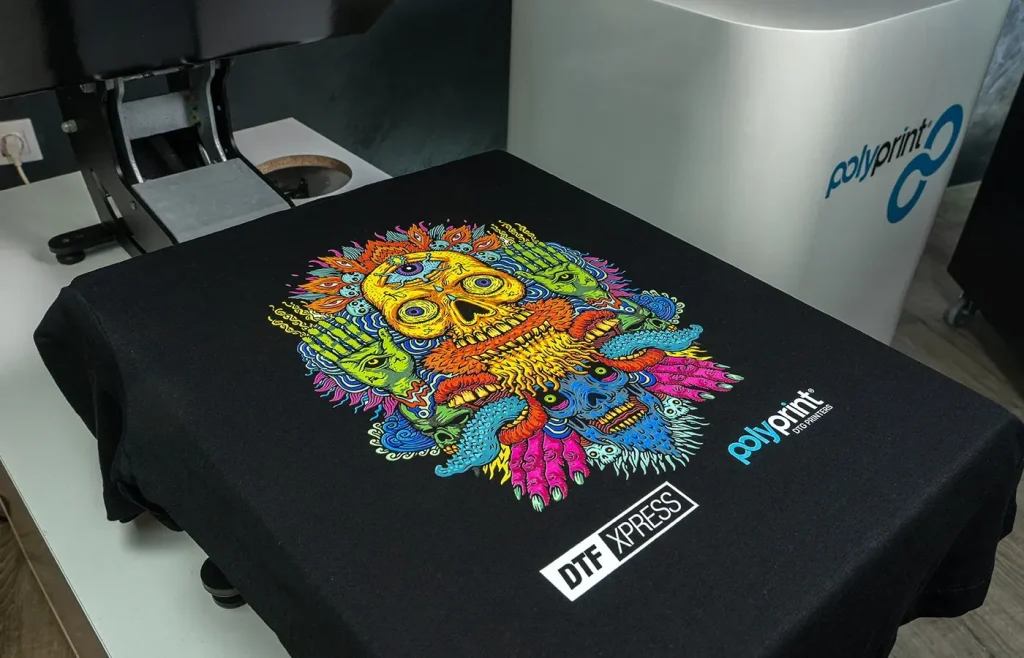
DTF printing, or Direct-to-Film printing, is rapidly transforming the landscape of custom apparel printing. This innovative technique enables creators to produce high-quality, vibrant designs with striking detail, making it the go-to choice for both hobbyists and businesses. With DTF transfers, users can easily apply intricate graphics to a wide variety of fabrics, including cotton and polyester, which broadens its application possibilities. The use of gang sheets in DTF printing also maximizes material efficiency, allowing multiple designs to be printed simultaneously. As we delve deeper into the world of DTF, we will uncover its many advantages, recent advancements, and how it stands out in comparison to sublimation printing.
Direct-to-Film printing, often referred to simply as DTF, has emerged as a revolutionary method for fabric decoration and custom printing. For producers and designers, this printing process involves preparing a film coated with a special adhesive, then applying it to various textile materials using heat. The versatility of DTF extends to its ability to generate complex designs and vibrant colors, making it an ideal choice for fashion enthusiasts and businesses alike. With the ability to efficiently produce prints through techniques like gang sheets, DTF offers a pragmatic solution for those venturing into custom apparel or promotional products. Understanding DTF and its alternatives can empower creators to choose the best printing method for their unique artistic endeavors.
What Makes DTF Printing Stand Out in the Industry?
DTF printing, or Direct-to-Film printing, is becoming a game-changer in the fabric and apparel sectors due to its high versatility and quality output. Unlike traditional printing methods, DTF printing allows for vibrant designs that adhere well to various fabric types, including harder-to-print materials like cotton. This advantage opens up new possibilities for custom apparel printing, enabling designers to create unique and vivid garments that stand out. Moreover, the process of using heat transfer ensures that designs remain intact even after repeated washes, which is a crucial consideration for consumers looking for durability in their custom prints.
The cost-effectiveness of DTF printing also plays a significant role in its rising popularity. Users can produce high-quality prints without needing expensive equipment or materials. With options like gang sheets, multiple designs can be applied efficiently, maximizing material use and minimizing waste. This is particularly appealing for small businesses and hobbyists looking to create custom products without breaking the bank. As the technology behind DTF continues to improve, we can expect even more innovative applications and increased accessibility for all market participants.
Understanding Direct-to-Film Transfers: The Process Unveiled
Direct-to-Film transfers are a critical component of DTF printing, allowing printers to create designs on specialized film that can easily transfer to fabrics. The process begins with a DTF printer, which prints the design onto a specific type of film coated with adhesive powder. Once printed, this film is heat-pressed onto the fabric, ensuring a solid bond between the design and the material. This method is fast, efficient, and produces high-quality prints that can withstand the test of time, making it an ideal choice for custom apparel printing.
Moreover, the versatility of DTF transfers means they can be applied to a wide variety of fabrics, enhancing their appeal for different applications. From sports jerseys to casual wear, the ability to achieve intricate designs with vibrant colors sets DTF apart from other methods. As more businesses recognize the potential of DTF transfers in their operations, we can expect a surge in demand for customized apparel, promotional products, and personalized items that reflect individual styles and preferences.
Recent Advancements in DTF Technology
In recent years, the DTF printing landscape has witnessed significant technological advancements that are shaping its future. Companies like EazyDTF are leading the charge, investing in large-format printers that enhance design capabilities and print quality. These improvements not only provide faster turnaround times but also allow for more complex designs to be printed easily, elevating the standards of custom apparel printing. As competition in the market intensifies, these technological upgrades are essential for businesses seeking to maintain their competitive edge.
Additionally, innovations in DTF printing processes have streamlined operations, with services like same-day shipping becoming more common. These advancements make it easier than ever for businesses to have their prints produced quickly and efficiently. Furthermore, the development of new adhesive powders and films is enabling better adherence to a wider range of fabrics, ensuring that DTF printing remains a leading choice over methods like sublimation when working with different material types.
Exploring Gang Sheets: Efficiency Redefined in DTF Printing
Gang sheets are a groundbreaking feature of DTF printing that encourage efficiency and reduce production costs. By utilizing gang sheets, multiple designs can be printed on a single film, allowing crafters and businesses to maximize their resources. This approach not only minimizes material waste but also decreases the overall cost per print, making it a favorable option for smaller operations and hobbyists. As many look to make the most of their investments in custom apparel printing, gang sheets represent a smart solution for effective production.
Moreover, the flexibility offered by gang sheets encourages creativity. Designers can explore the potential of combining various designs on a single press, leading to unique and custom solutions that cater specifically to customer demands. This not only enhances the variety of products available but also attracts a broader audience, as consumers are always looking for unique and eye-catching apparel. In this way, gang sheets play a crucial role in the artistic and business aspect of DTF printing.
DTF vs. Sublimation: Making the Right Choice
When discussing fabric printing options, the comparison between DTF printing and sublimation is often at the forefront. While both methods have unique advantages, the capabilities of DTF printing allow it to stand out in terms of versatility. DTF printing excels on various fabric types, including cotton, making it an ideal choice for many crafters and custom apparel designers. In contrast, sublimation requires polyester or polymer-coated materials, limiting its application for consumers who want to use natural fibers.
This flexibility in fabric compatibility is not just a minor detail; it significantly impacts the potential market for businesses and designers. DTF printing can cater to a wider array of customers seeking custom prints on different textiles. Additionally, the vibrant output quality and durability of DTF prints against regular wear and washing bolster its appeal. As more individuals explore their crafting journeys, choosing DTF over sublimation could lead to more successful projects and satisfied clients.
Applications of DTF Printing in the Modern Market
The applications of DTF printing are vast and varied, making it a highly sought-after method in the custom apparel industry. From t-shirts and hoodies to promotional merchandise, DTF printing has proven its worth by providing high-quality and customizable products that resonate with consumers. Businesses are increasingly leveraging DTF printing to create unique designs that capture their brand’s identity, thereby fostering customer loyalty and engagement.
Beyond traditional apparel, DTF printing is also making waves in personalized goods. As the demand for customizable items rises, DTF offers an innovative solution for individuals looking to make distinctive gifts or products tailored to specific tastes. This expanding variety in application not only highlights the flexibility of DTF printing but also its growing role in shaping market trends in personalization and custom apparel.
Frequently Asked Questions
What is DTF printing and how does it differ from sublimation printing?
DTF printing, or Direct-to-Film printing, involves printing designs onto special film that is then transferred to fabric using heat. Unlike sublimation printing, which primarily works on polyester and requires heating the fabric to convert inks into gas, DTF printing allows for vibrant prints on various fabric types, including cotton, making it more versatile for custom apparel printing.
What materials are needed for DTF printing?
To get started with DTF printing, you will need a DTF printer, heat-press machine, specialized DTF film, and DTF inks. This setup enables high-quality and durable prints on a variety of fabric surfaces, providing your custom apparel with professional-grade designs.
What are gang sheets in DTF printing and why are they beneficial?
Gang sheets in DTF printing allow multiple designs to be printed on a single film, optimizing material usage and reducing costs. This is particularly advantageous for small businesses and hobbyists, as it enhances efficiency and minimizes waste while producing high-quality DTF transfers.
Can DTF transfers be used on any fabric type?
Yes, DTF transfers can be applied to a wide range of fabric types, including cotton, polyester, and poly-blends. This flexibility sets DTF printing apart from other methods like sublimation, which is limited to synthetic fabrics only, making DTF more suitable for diverse custom apparel projects.
What are the advantages of using DTF printing for custom apparel?
DTF printing offers several advantages for custom apparel, including ease of use, the ability to produce intricate designs with vibrant colors, and high durability of prints that can withstand regular washing. These qualities make DTF an excellent choice for anyone looking to create personalized and professional-looking garments.
How does DTF printing compare to sublimation printing in terms of quality and application?
While both DTF and sublimation printing can produce high-quality designs, DTF printing is more versatile, as it can print on a variety of fabric types, including cotton, with excellent durability. In contrast, sublimation is limited to polyester materials. This allows DTF printing to cater to a broader range of applications in the custom apparel market.
| Key Point | Description |
|---|---|
| What is DTF Printing? | A printing process where designs are printed onto a special film and transferred to fabric using heat, allowing for high-quality prints on various fabrics like cotton, polyester, and blends. |
Summary
DTF printing is transforming custom apparel and fabric design by providing artists and businesses with a flexible and high-quality printing solution. With DTF printing, users can achieve vibrant, durable designs that stand up to wear while being compatible with a wide range of fabric types. The technology simplifies the printing process and opens the door for creativity, allowing for smaller runs and high personalization that meet the growing demand within the crafting community. As the industry continues to innovate and expand, embracing DTF printing could provide a significant competitive edge for crafters and small businesses looking to establish their presence in the marketplace.